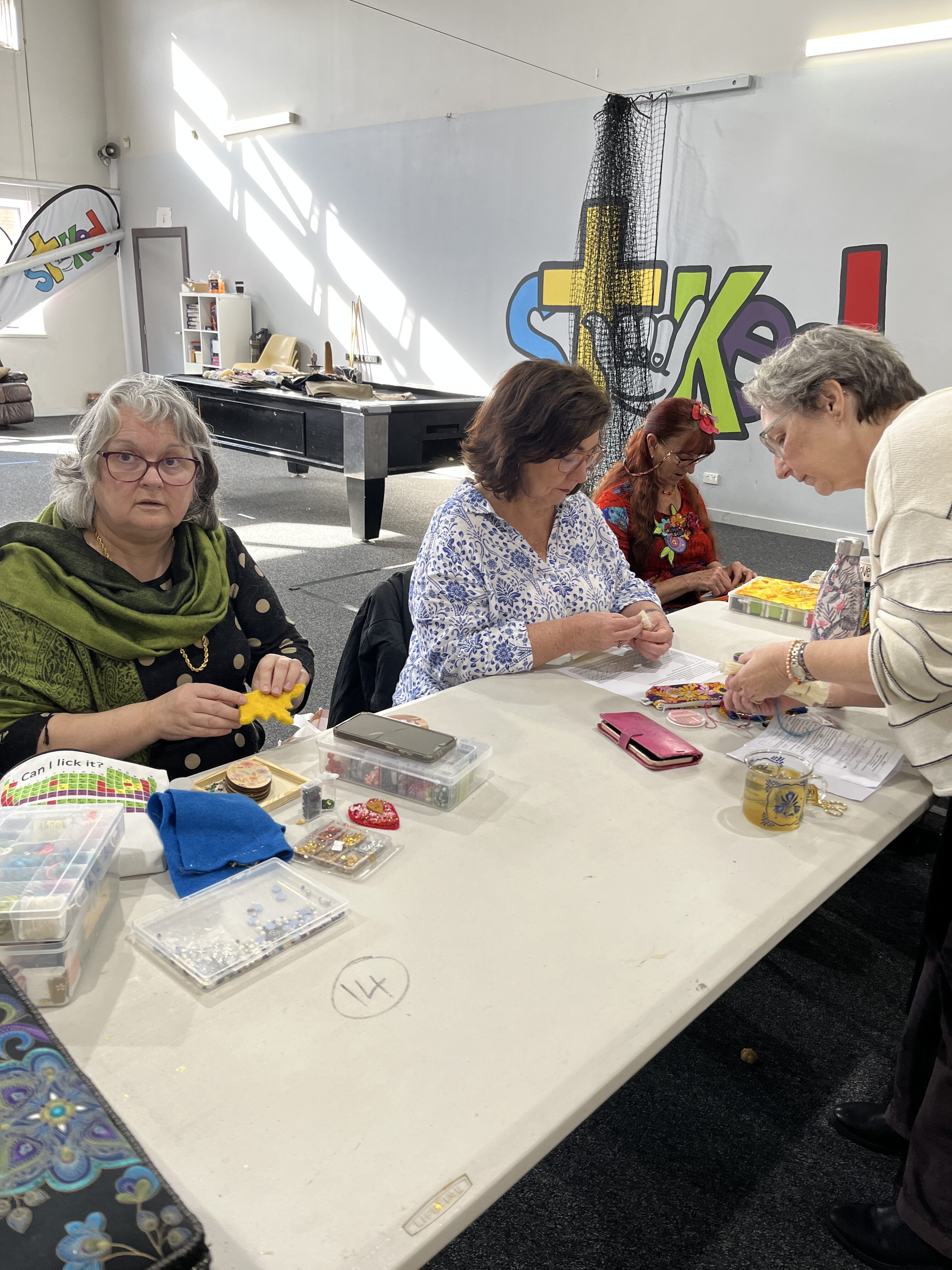
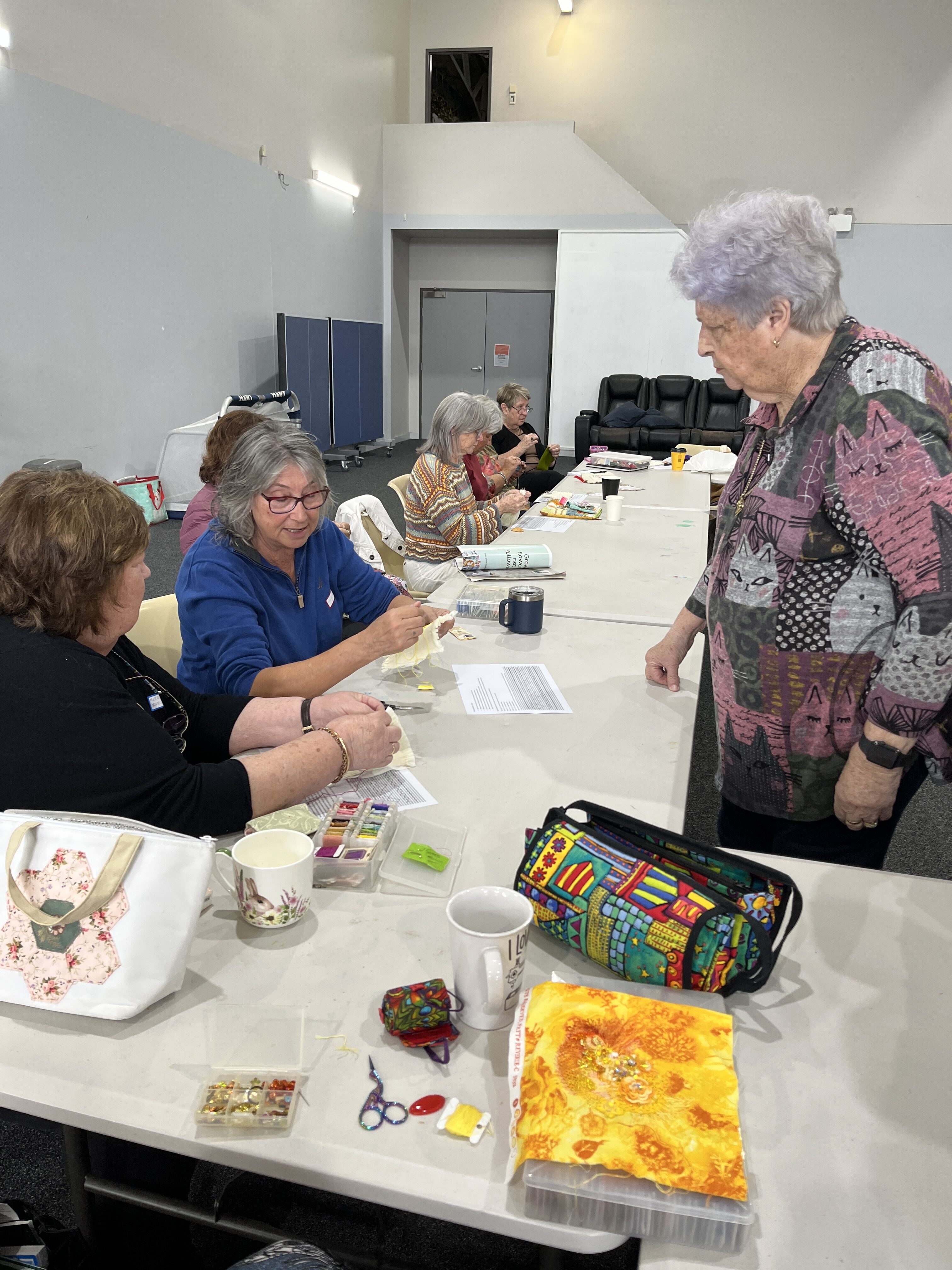
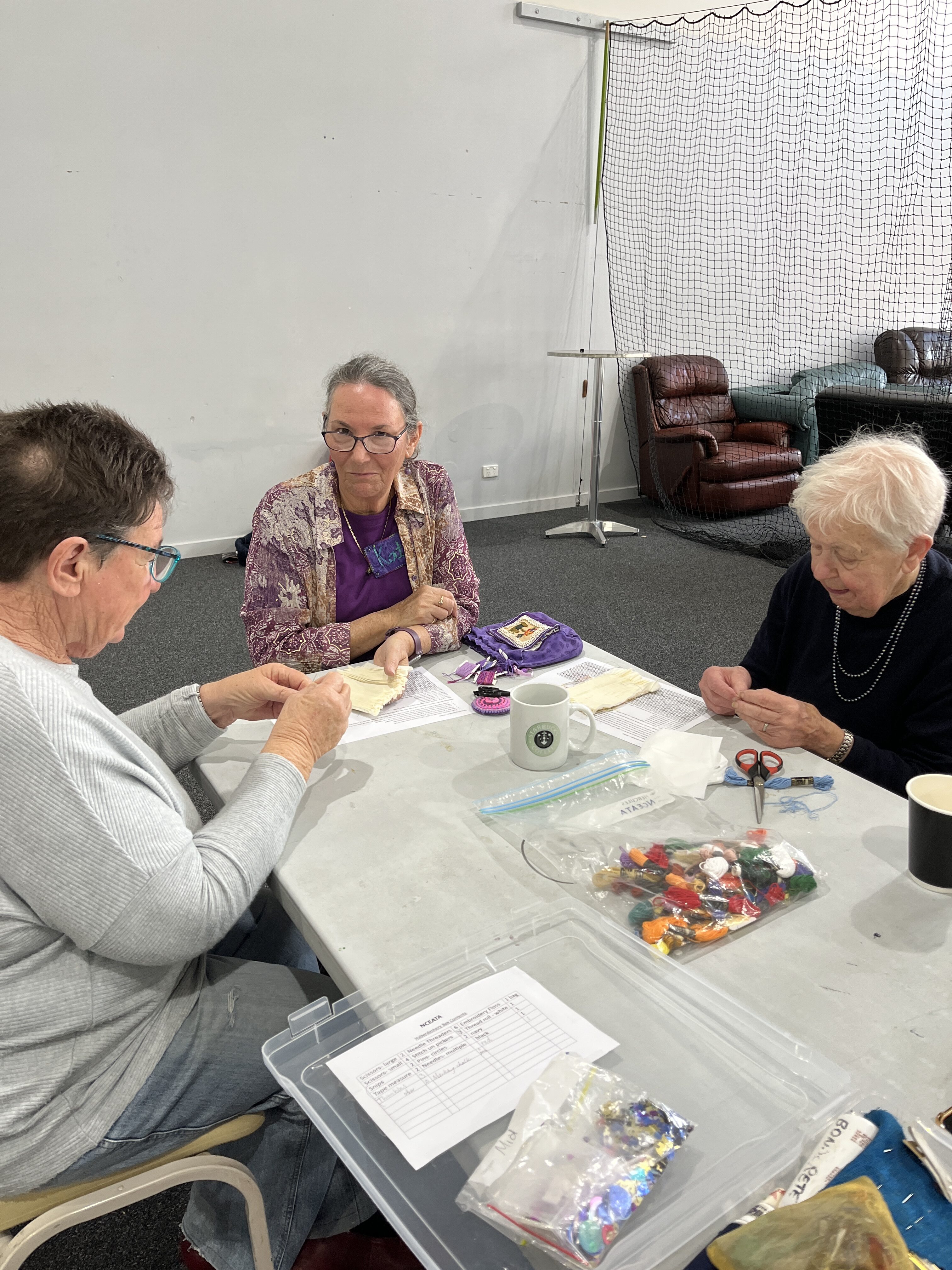
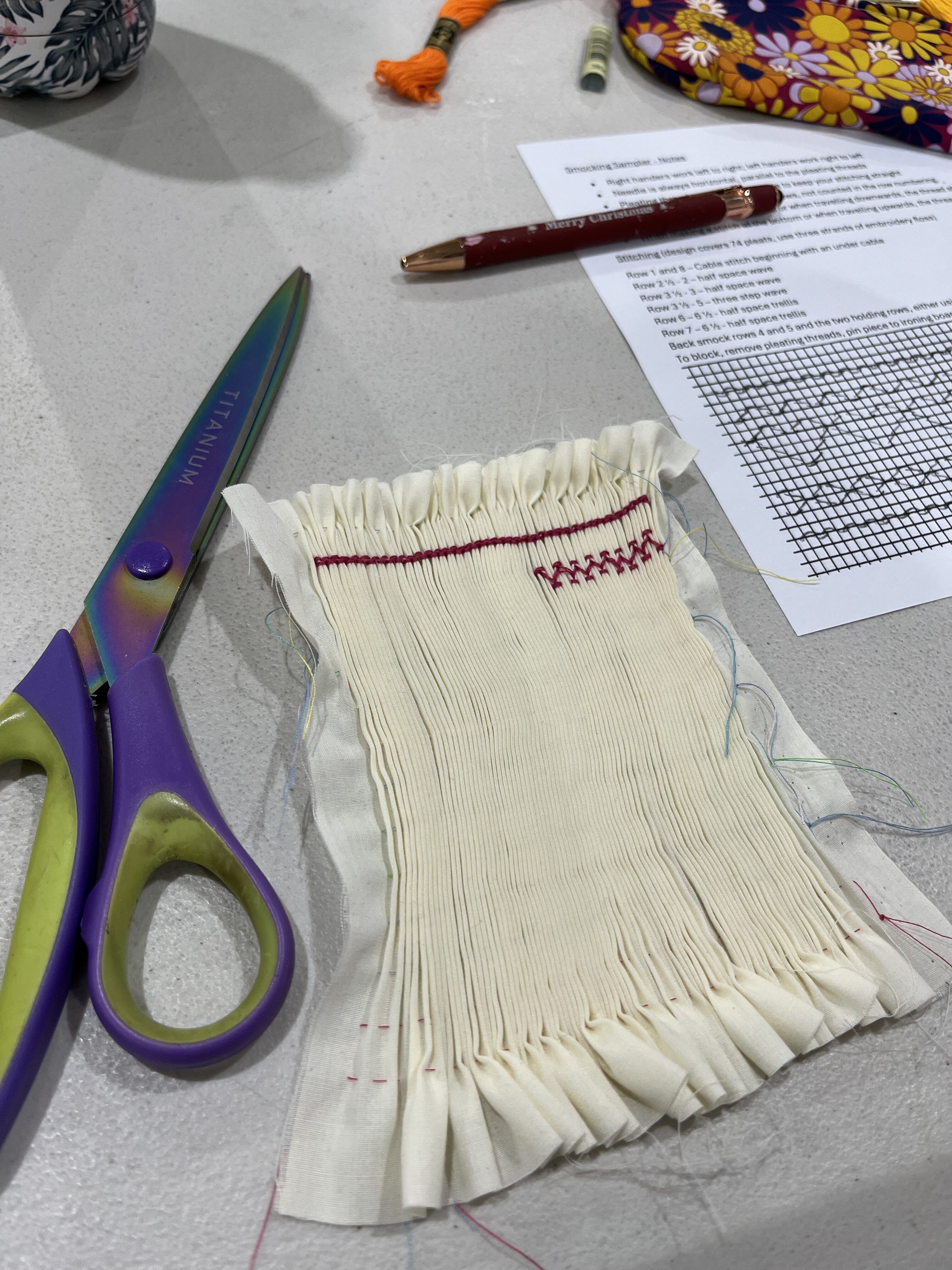
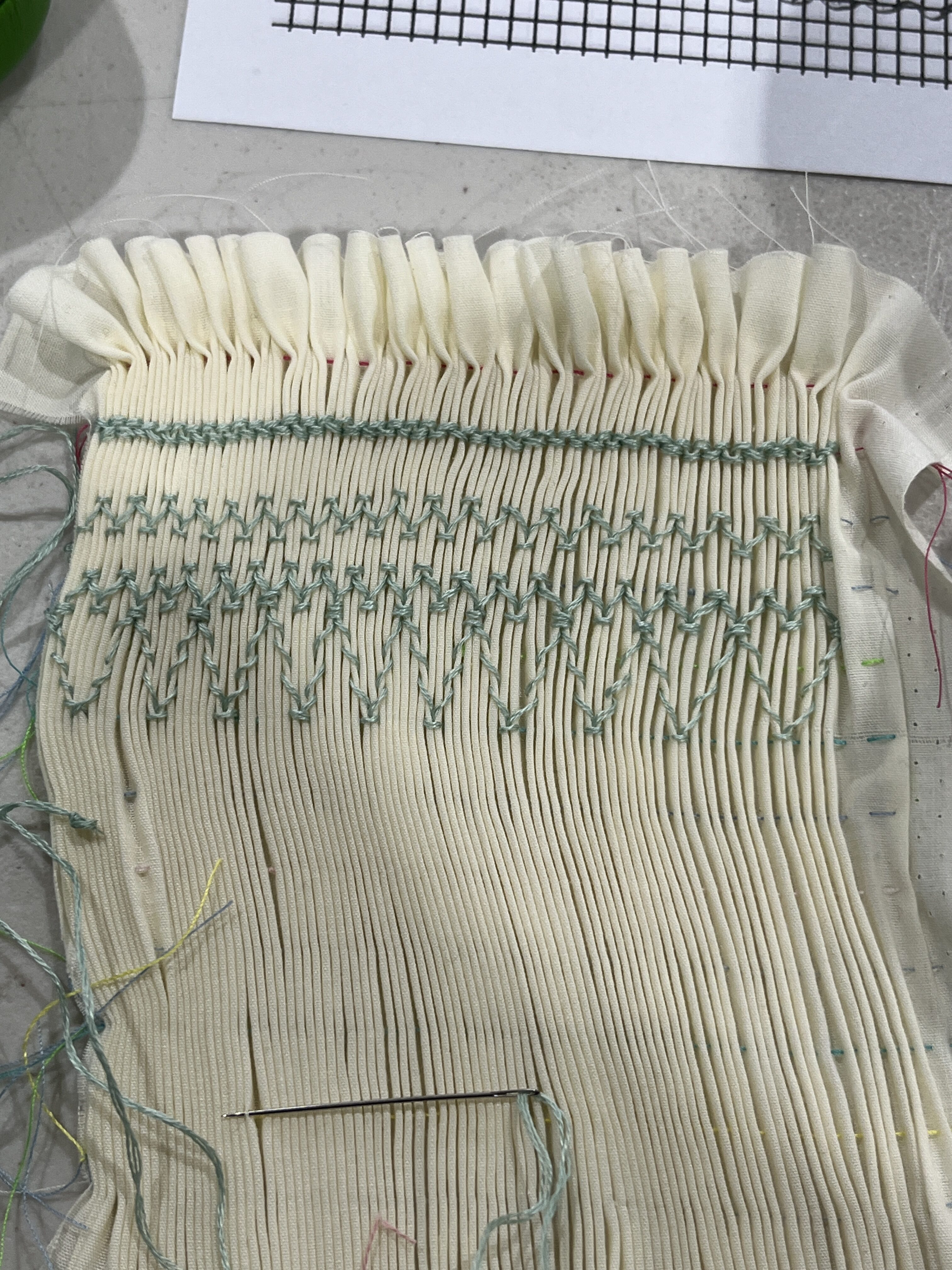
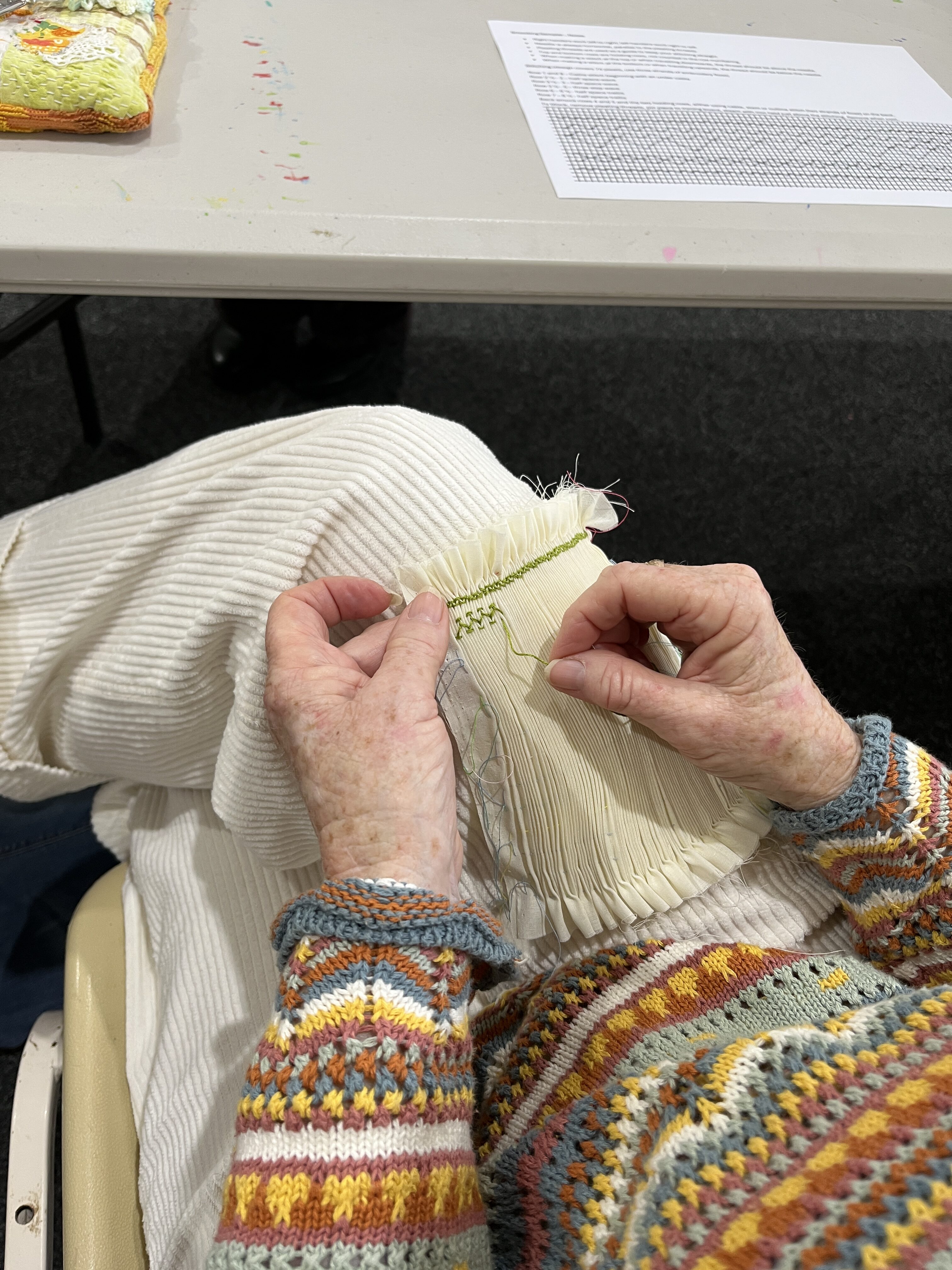
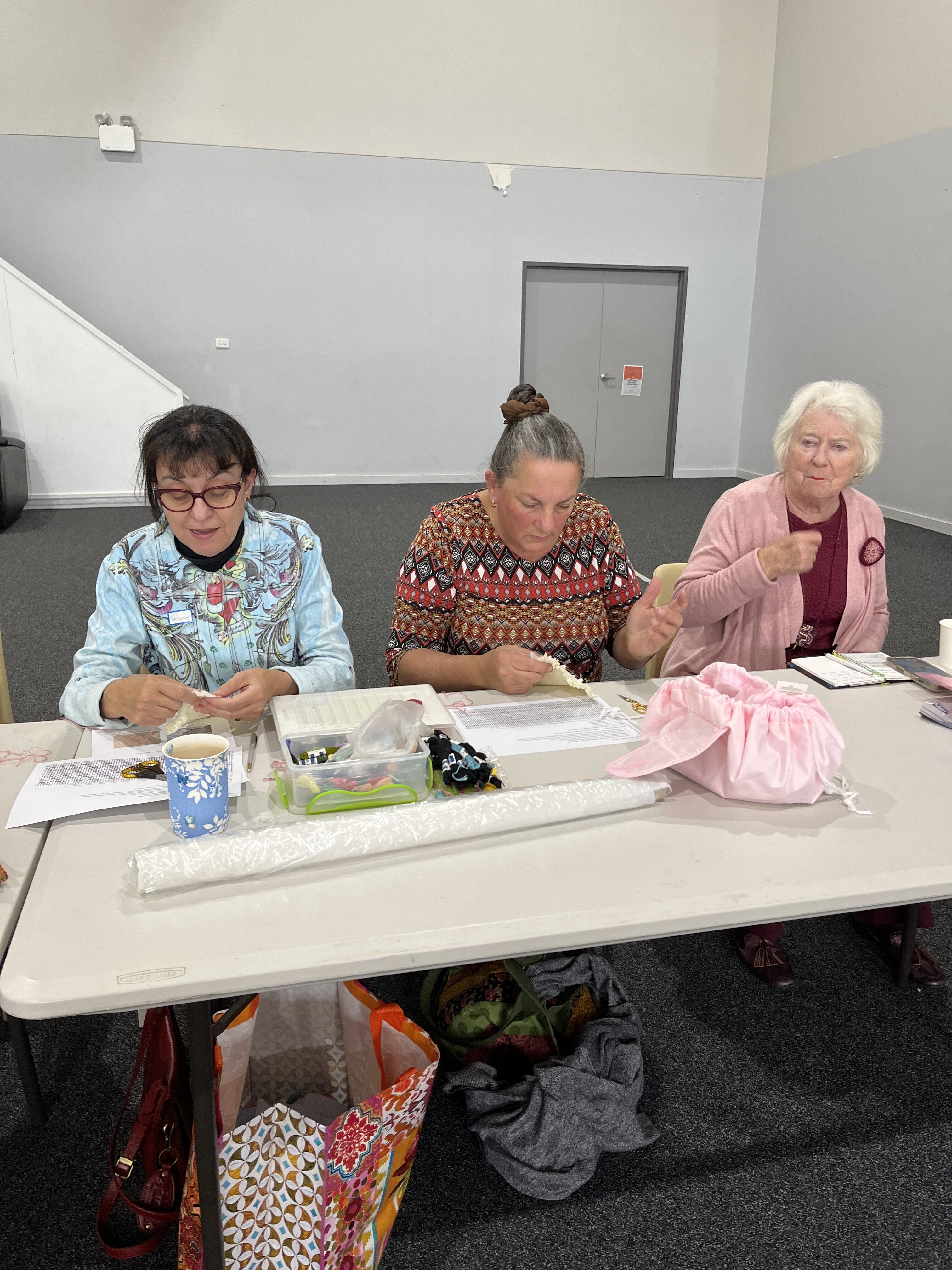
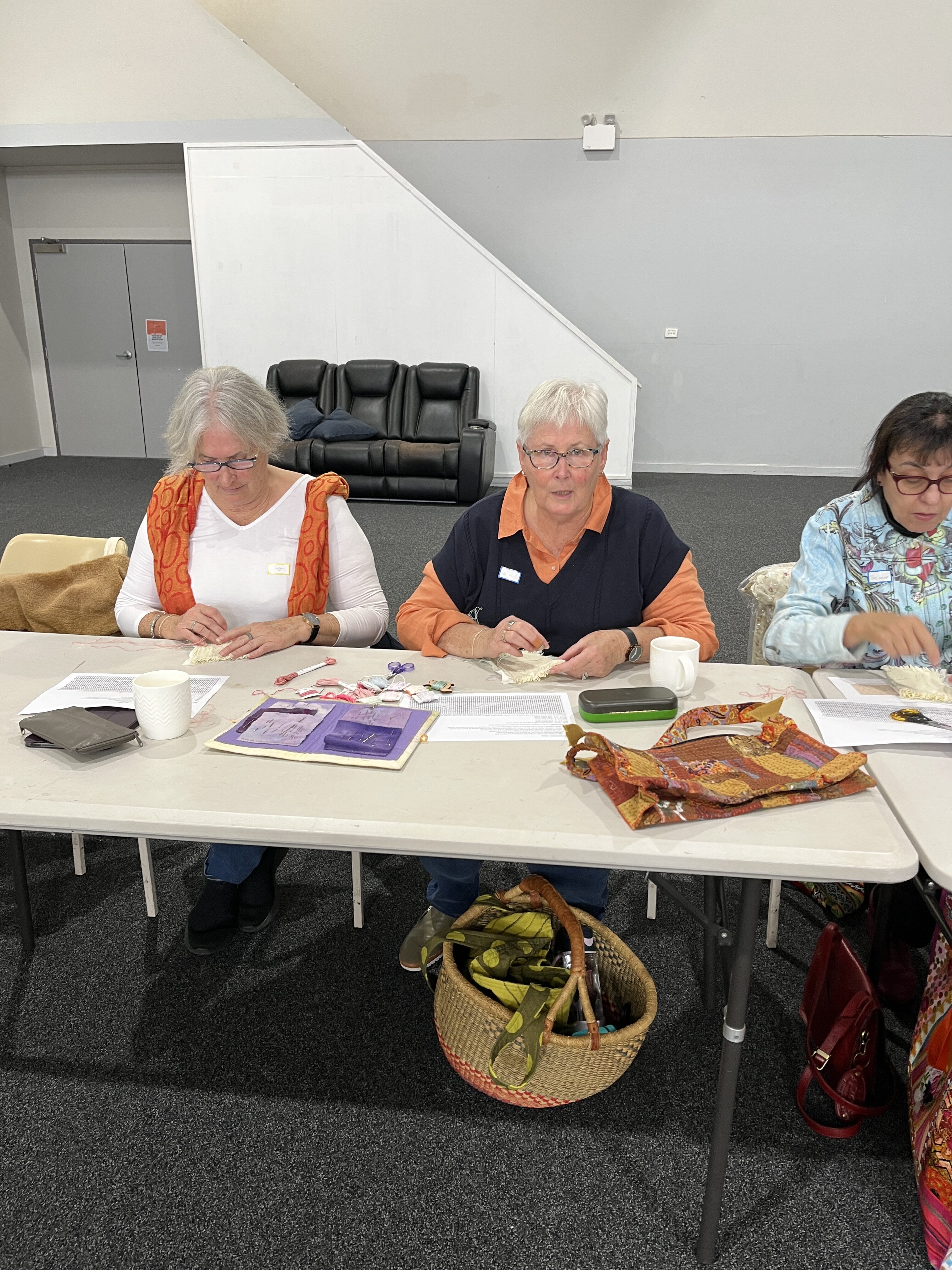
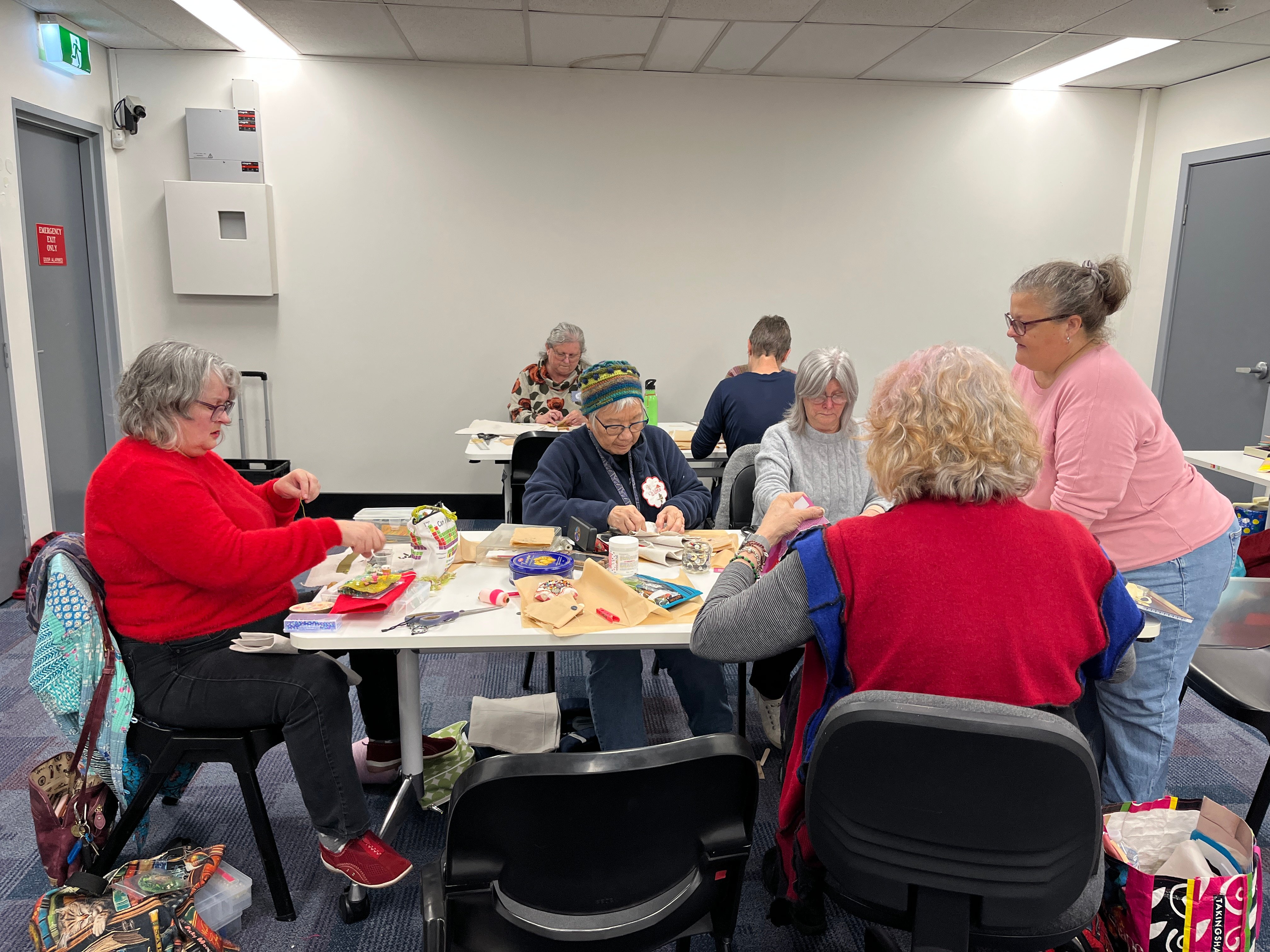
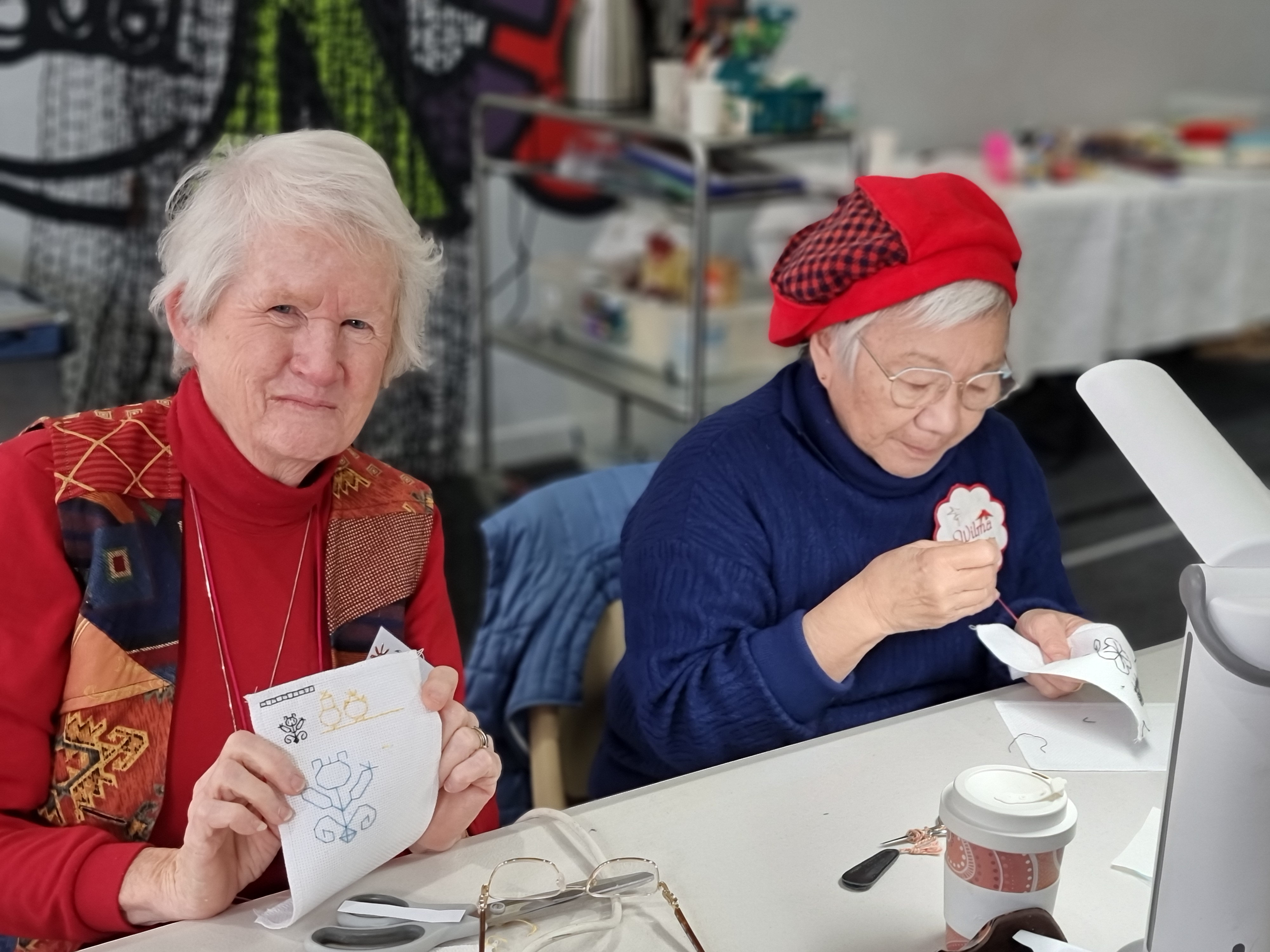
We kicked off late June with a wonderful smocking workshop led by Jenny, Kim, and talented members of the Newcastle Smocking Guild.
This session followed our introduction to the NCEATA pleater back in February. You can see this clever machine in action in our first blog post, Off to a Flying Start.
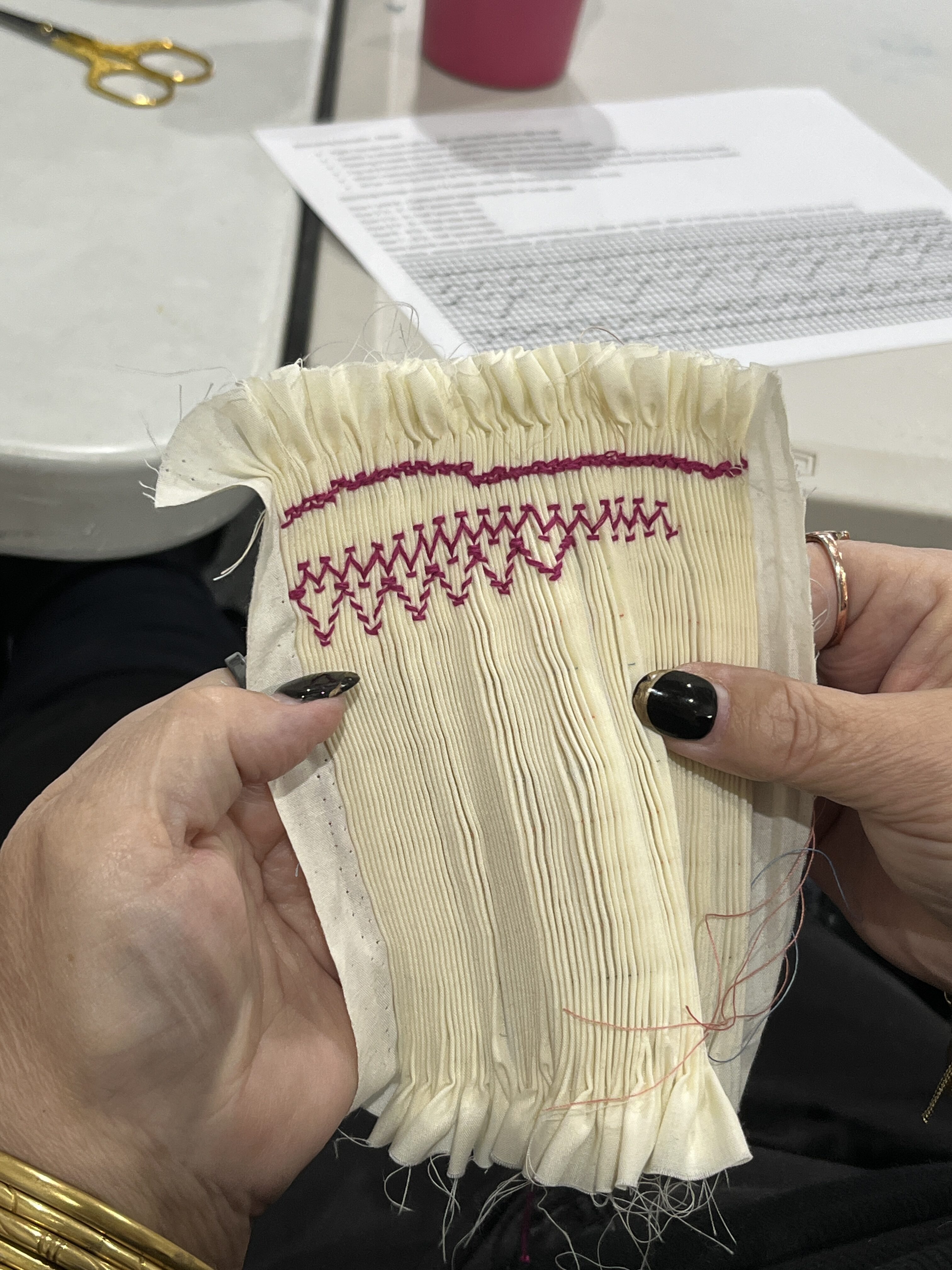
The Guild ladies share a wealth of knowledge. They patiently guided everyone—including complete beginners—through the essential stitches needed to finish a sample piece. It was a thoroughly informative afternoon that flew by, leaving us with many beautifully completed samples.
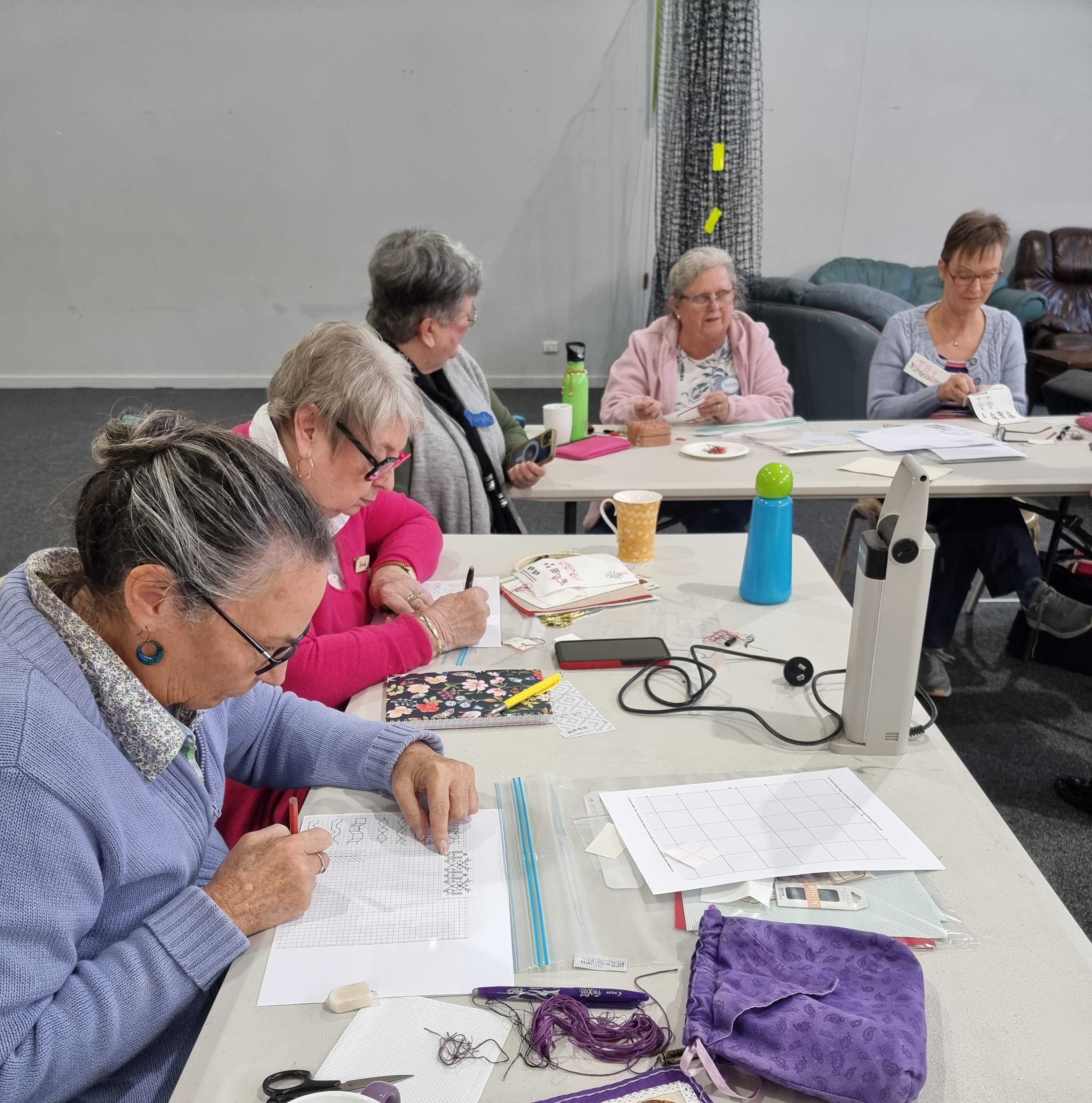
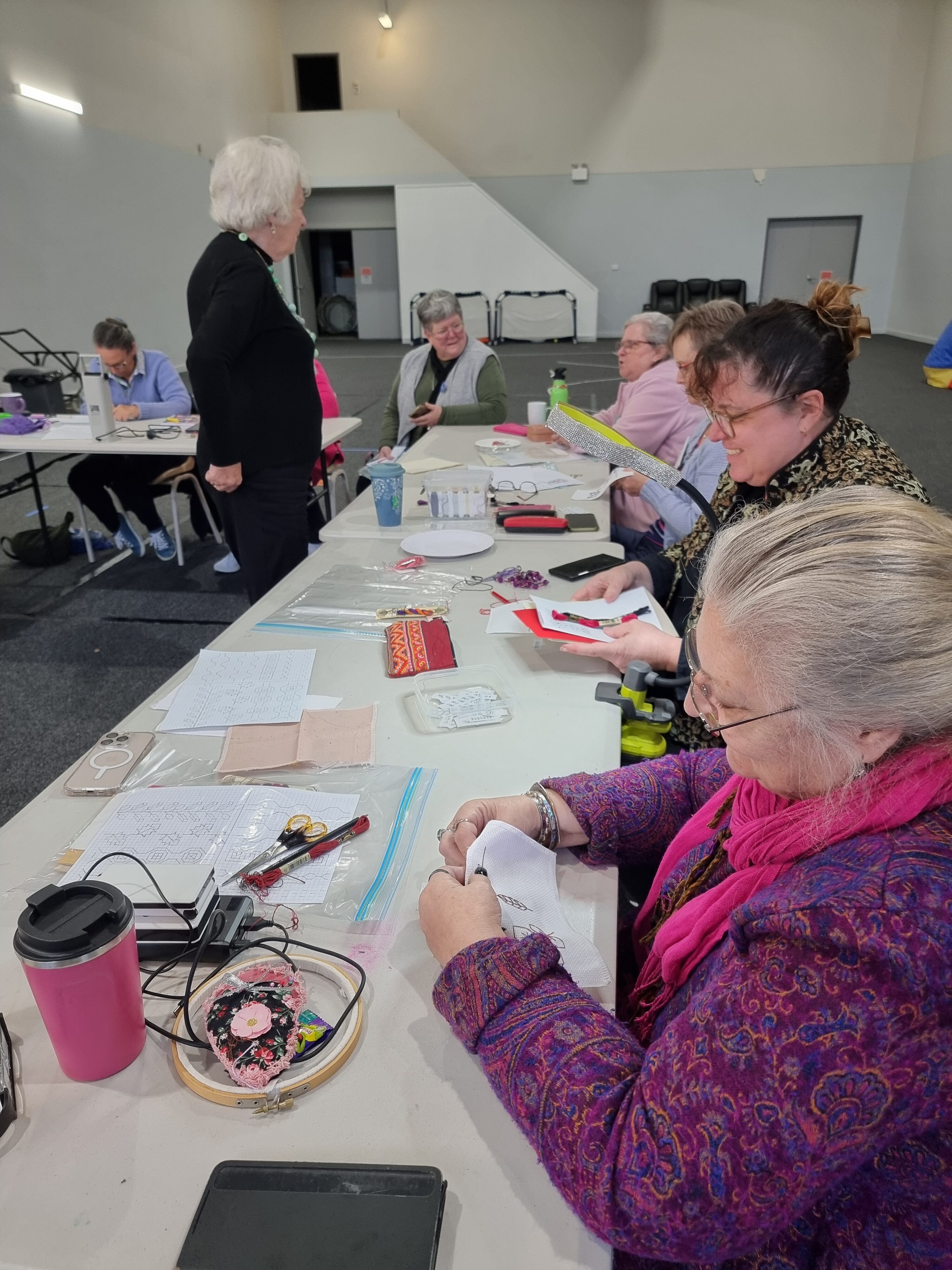
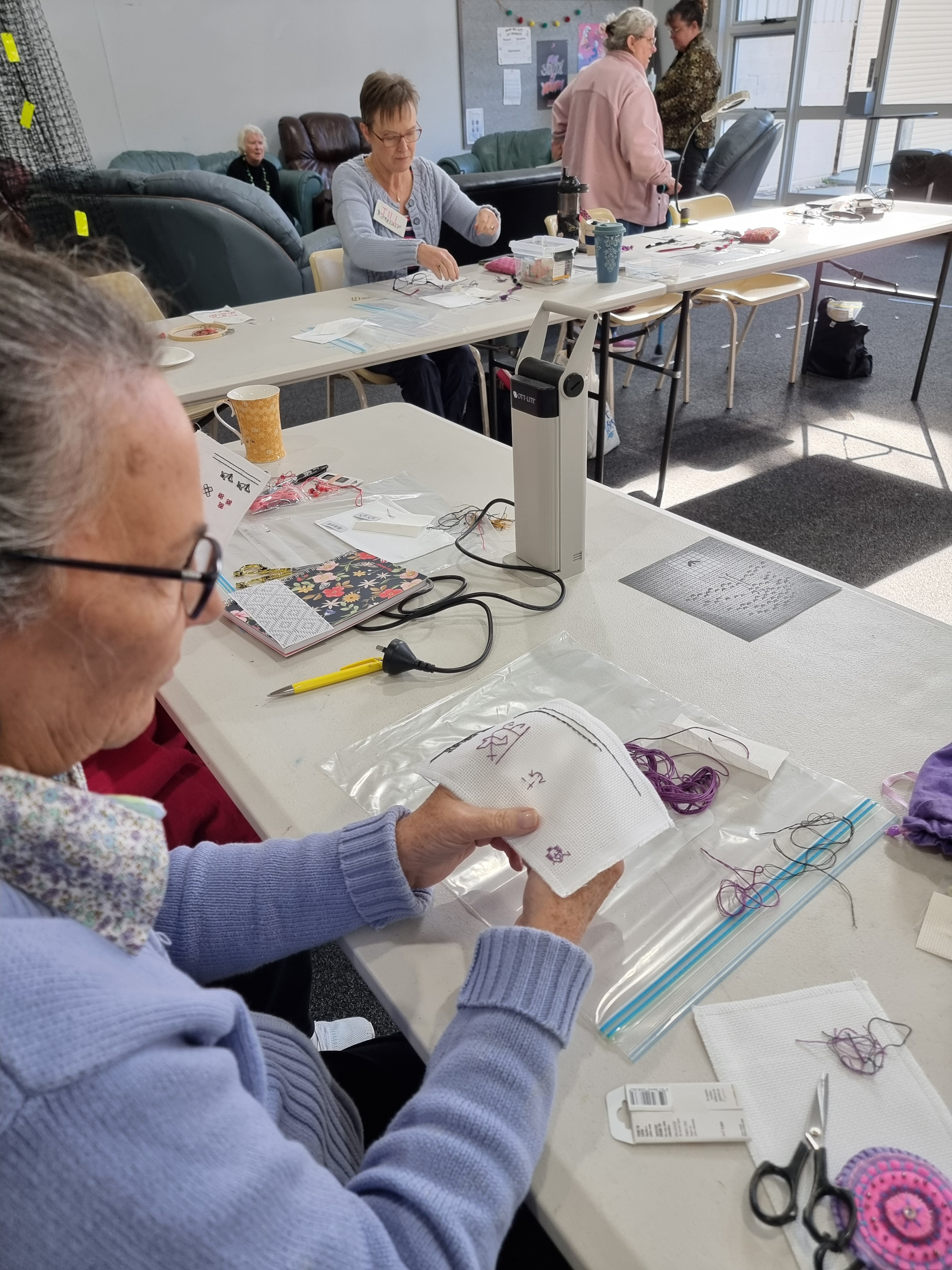
Our momentum continued into July with an extended workshop dedicated to the timeless and intricate art of Blackwork embroidery.
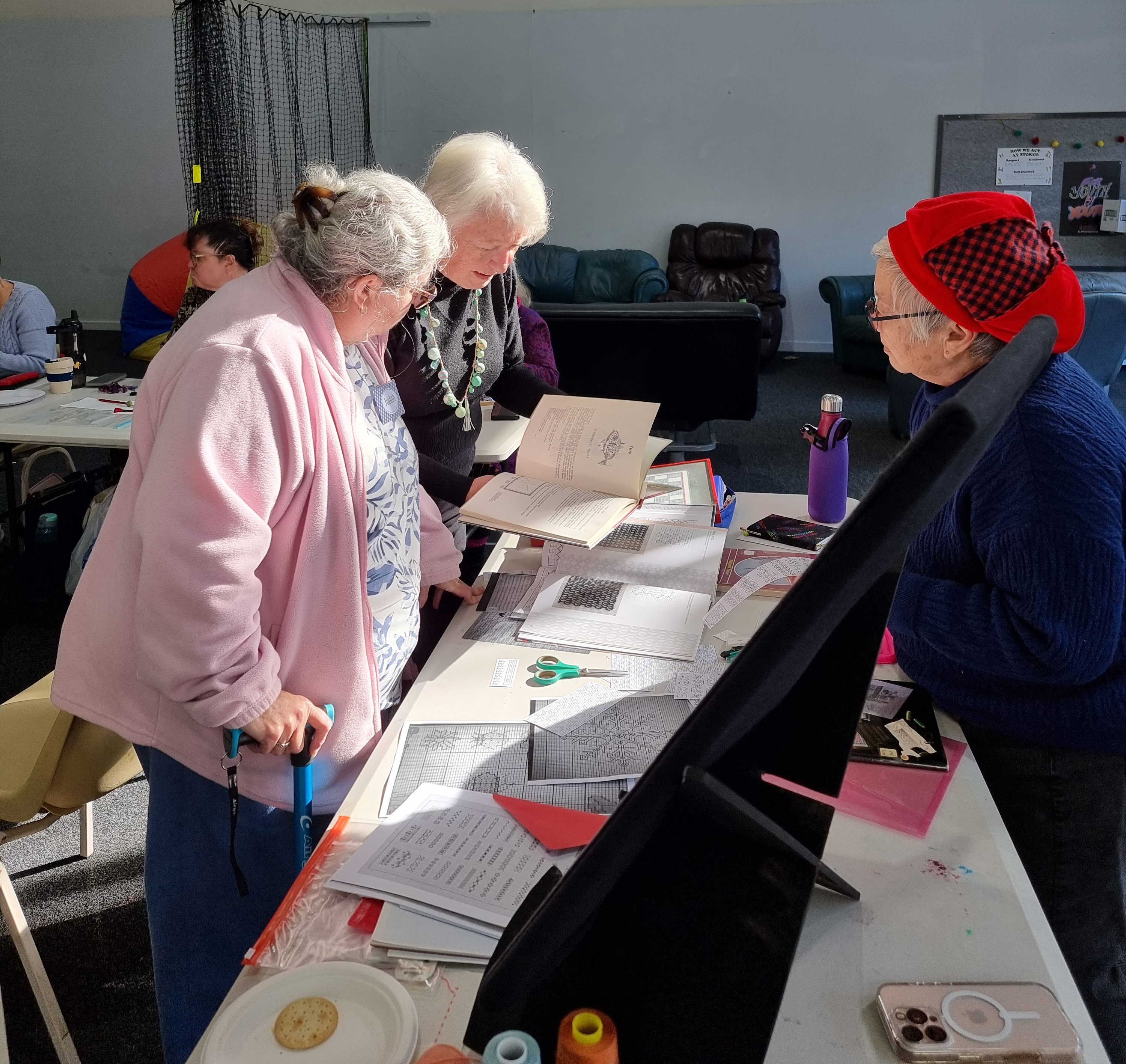
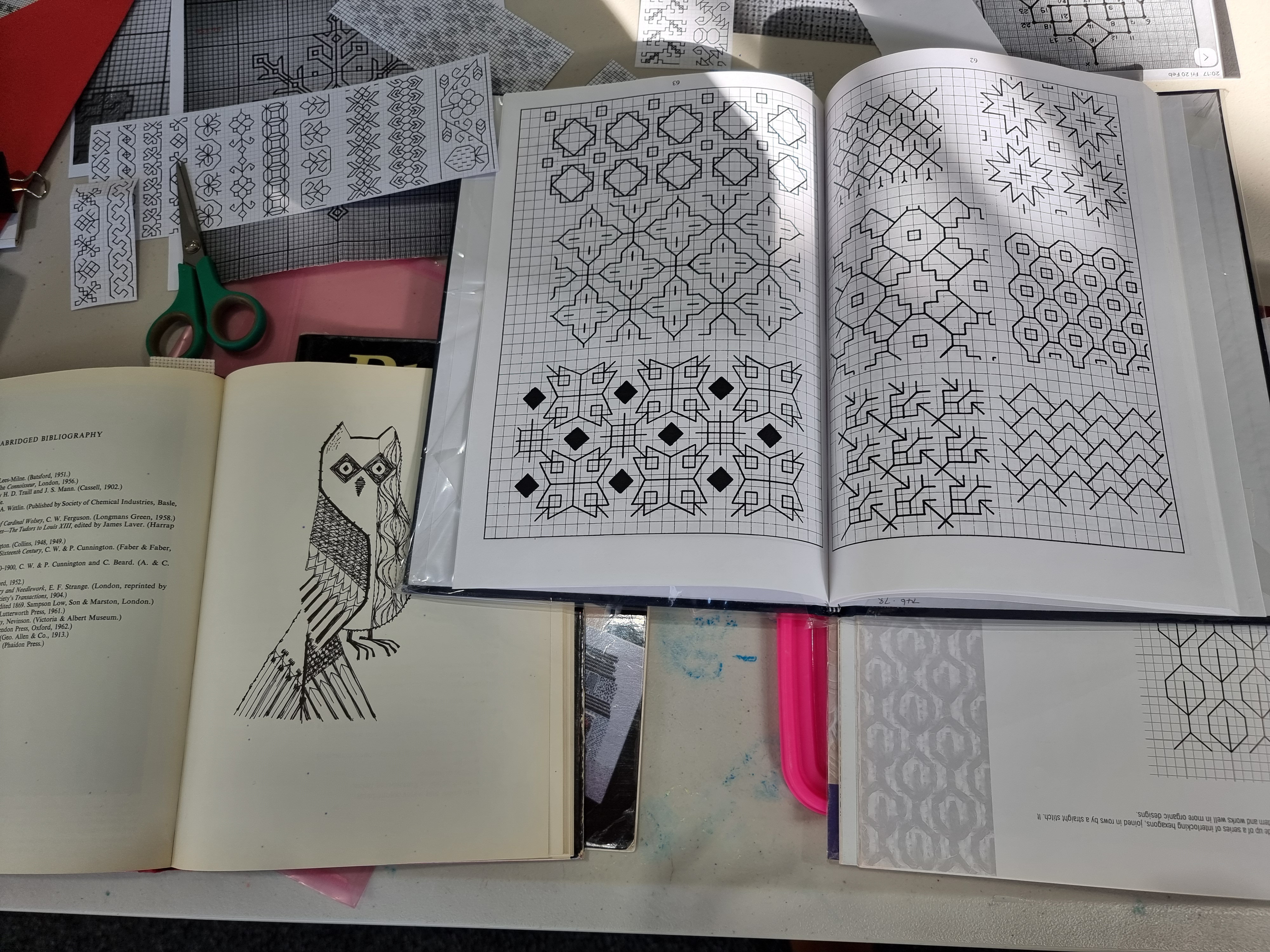
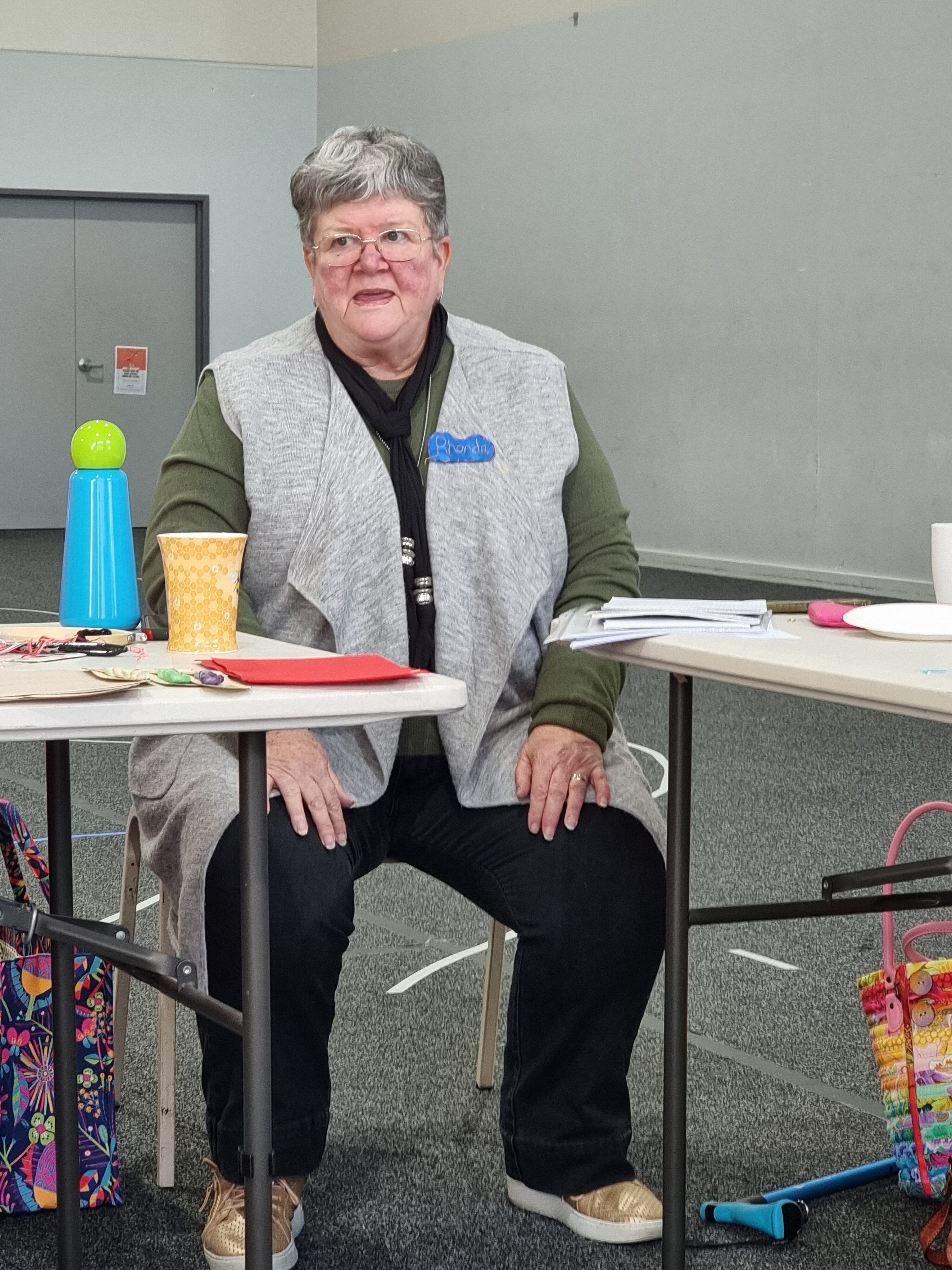
Rhonda and Doris generously opened up their personal archives for this session, sharing a wealth of knowledge, reference books, and historic resources. This wasn’t just a look-and-learn afternoon; it was a deeply immersive, hands-on masterclass. The duo masterfully guided the group through the core mechanics of foundational blackwork stitches.
From there, the workshop delved into the design principles that make blackwork entirely unique within the embroidery field —specifically, how repeating geometric patterns can be manipulated to create dramatic shifts in light, shadow, and texture. Armed with this new understanding, participants were then able to sketch and draft their own custom patterns.
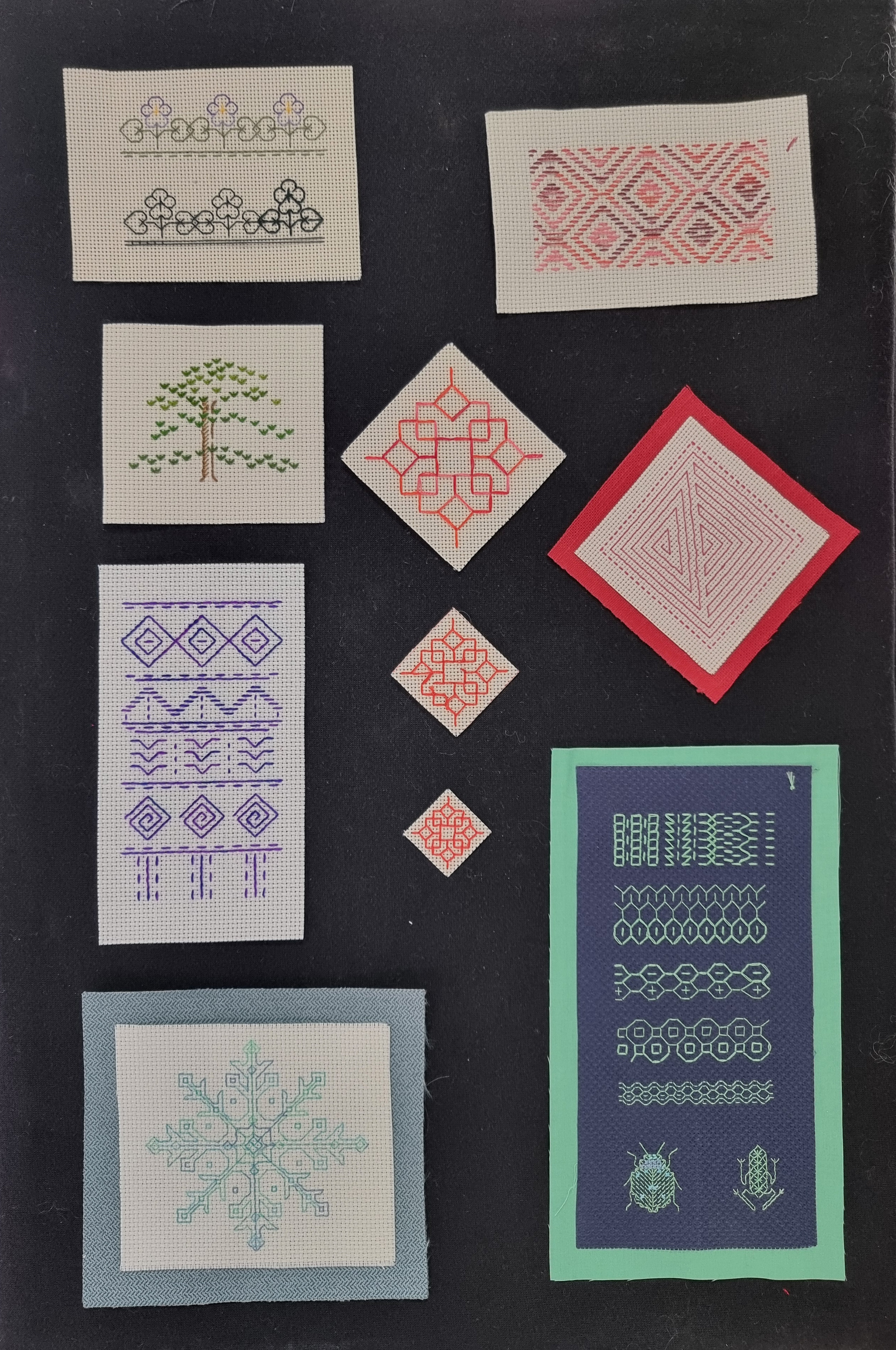
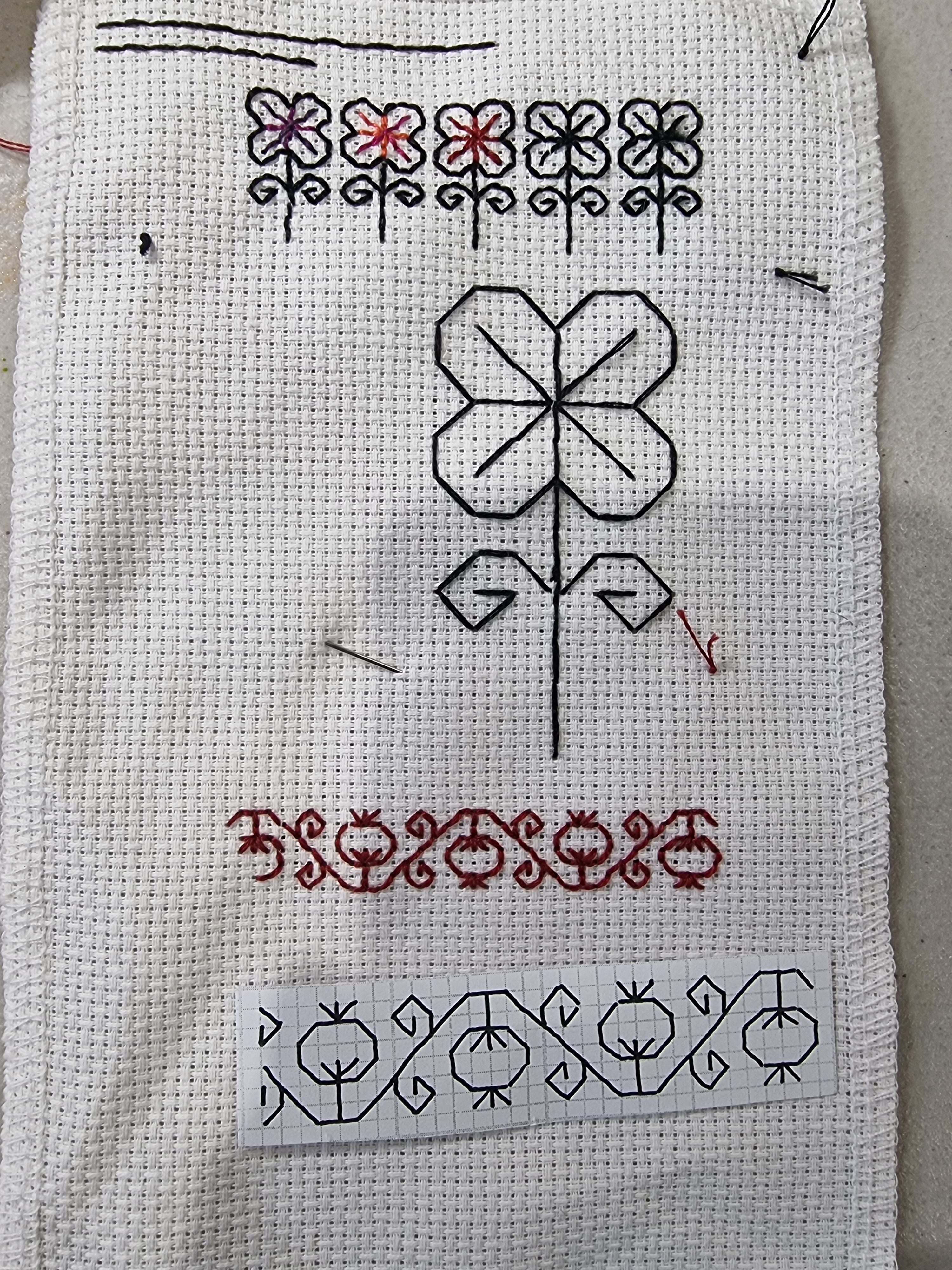
While traditional blackwork is famous for its striking, high-contrast monochrome threads on white linen, modern embroidery has rewritten the rules. As you can see from the wonderful student examples displayed below, contemporary blackwork truly comes alive when you introduce vibrant, unexpected colours. By blending different shades and thread weights, our makers created stunning depth and modern flair that completely transformed this historic technique.
Jill Wagner and I took a trip down to the Sydney Craft & Quilt Fair this month
It had been quite a few years since my last visit. While the show is noticeably smaller than it used to be, there was still plenty to look at and enjoy, stalls to explore, and inspiration to absorb.
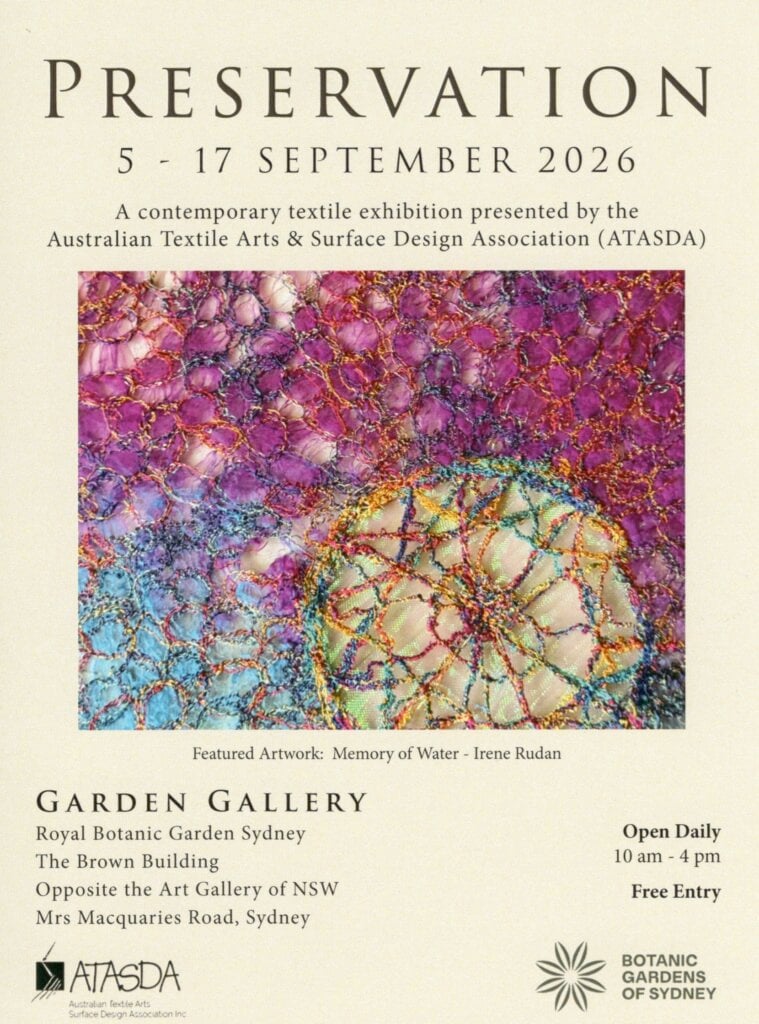
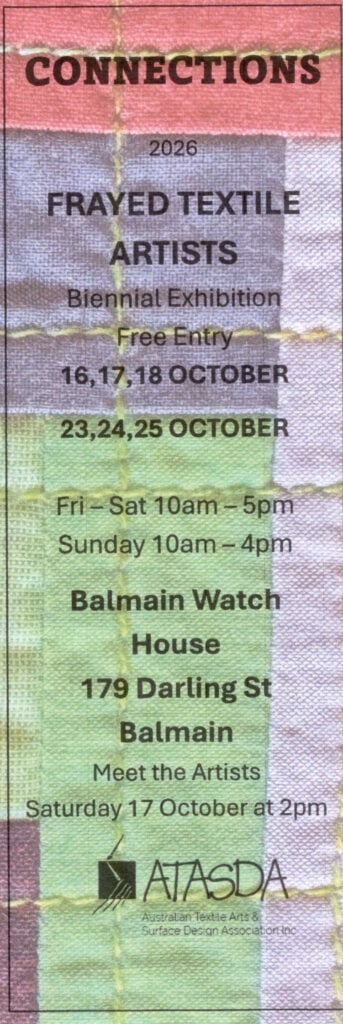
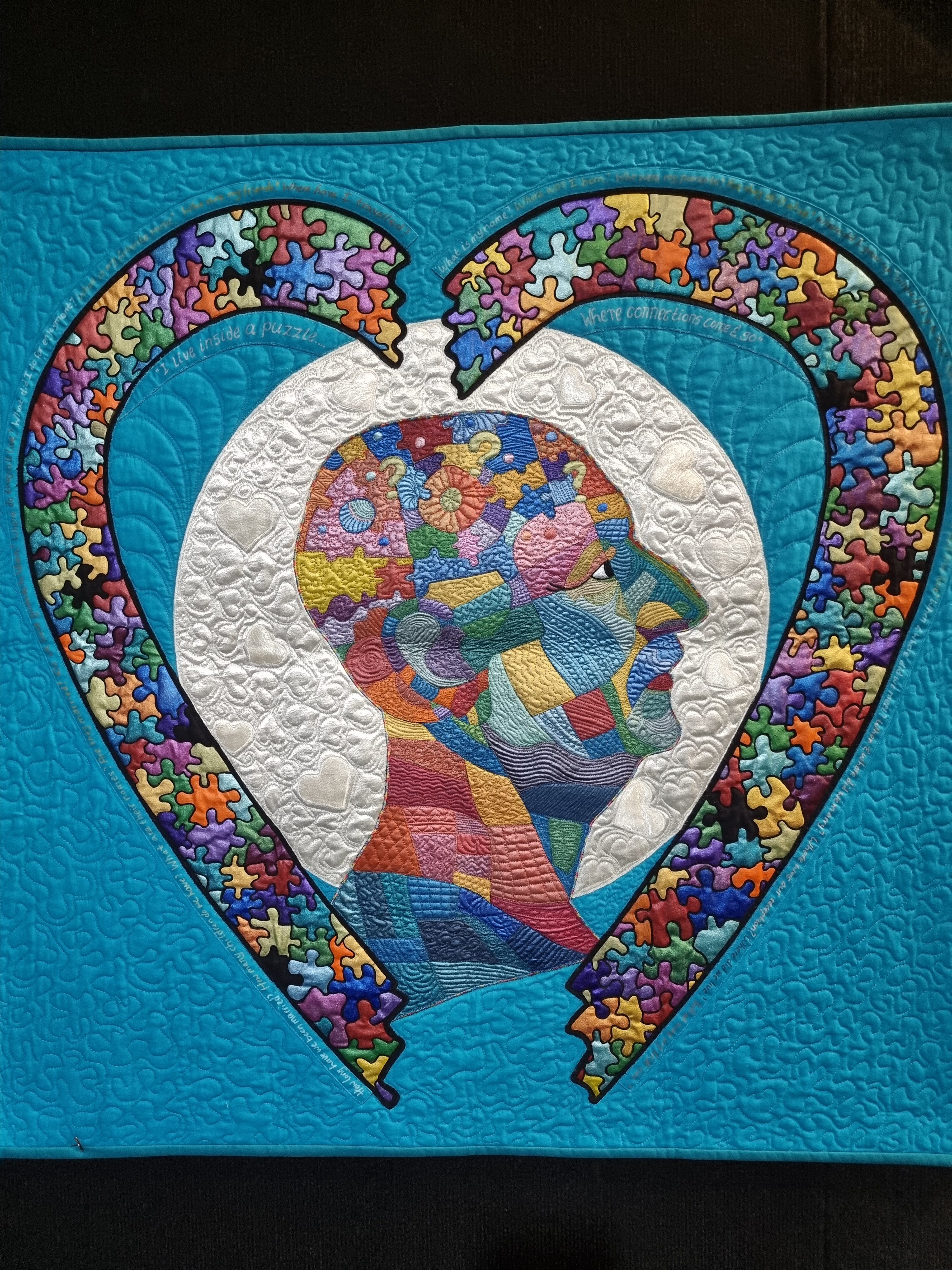
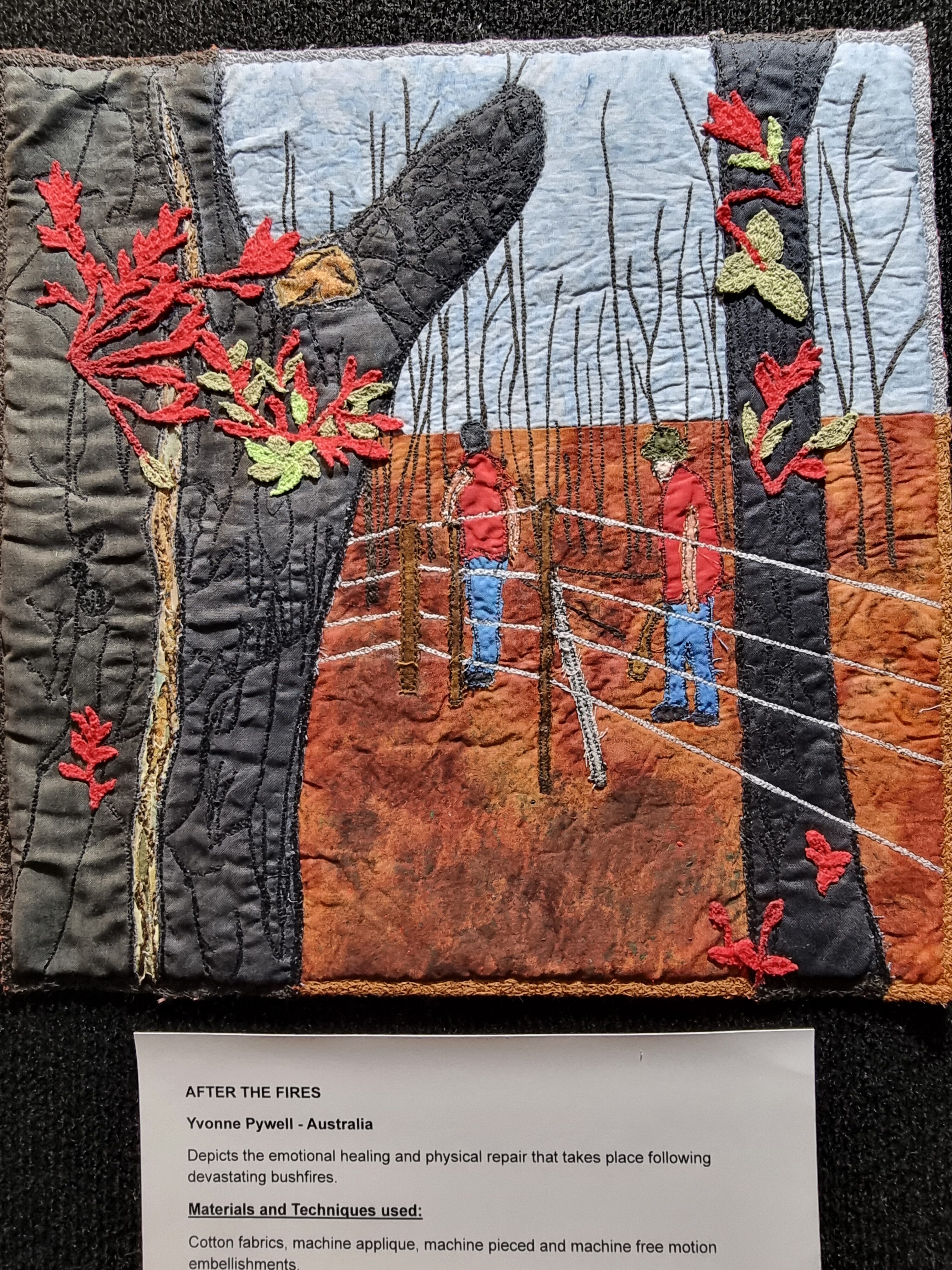
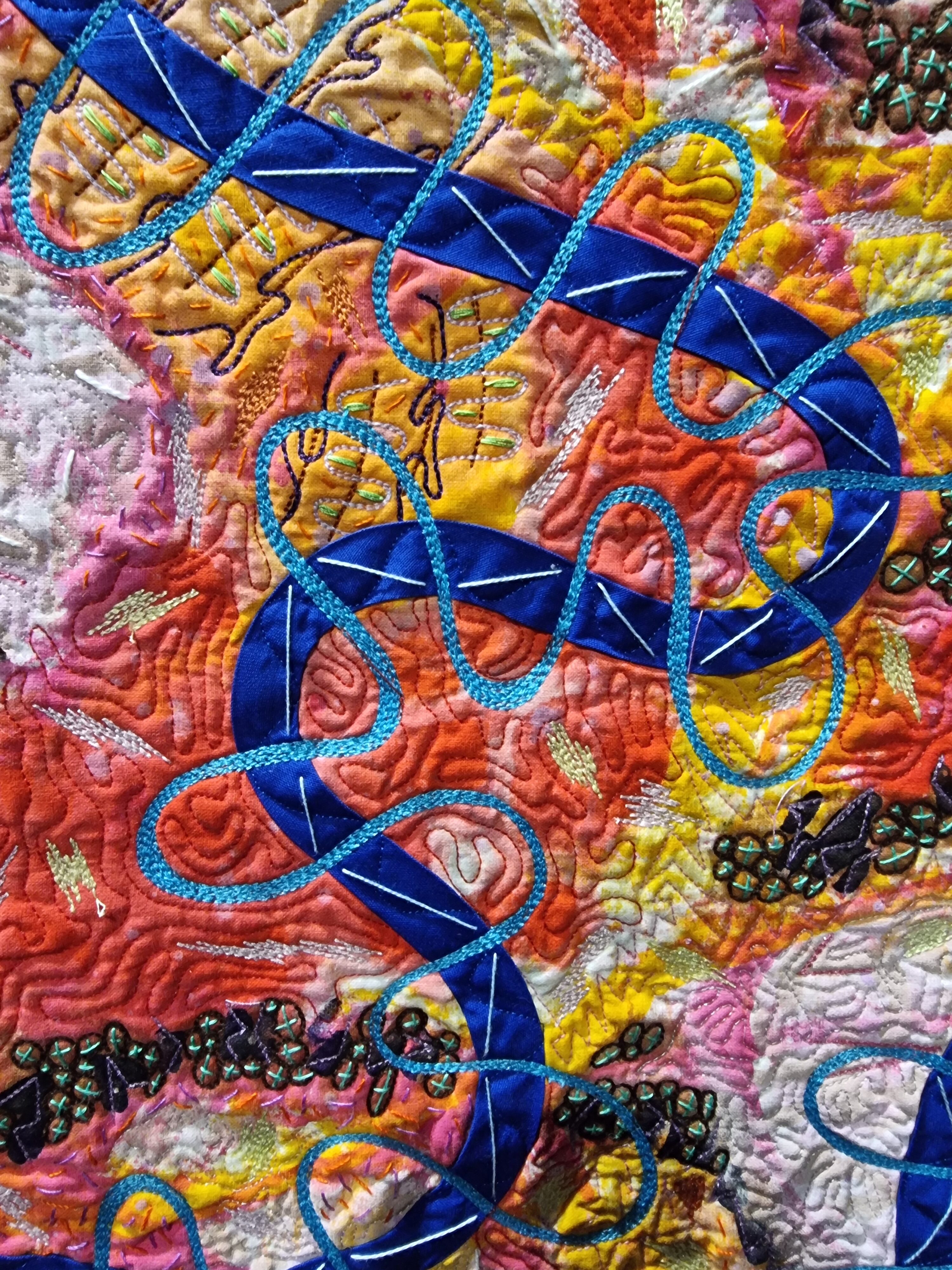
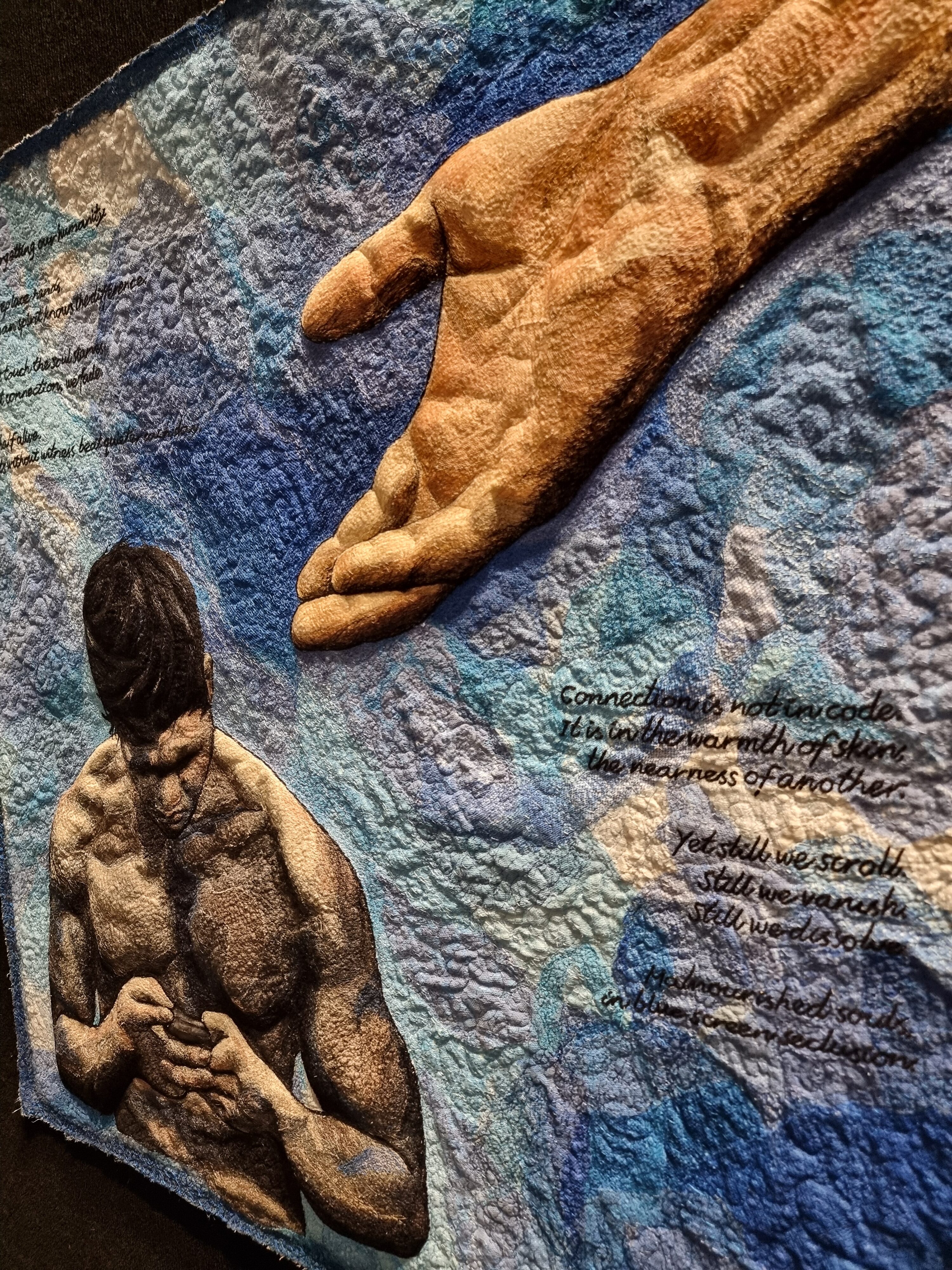
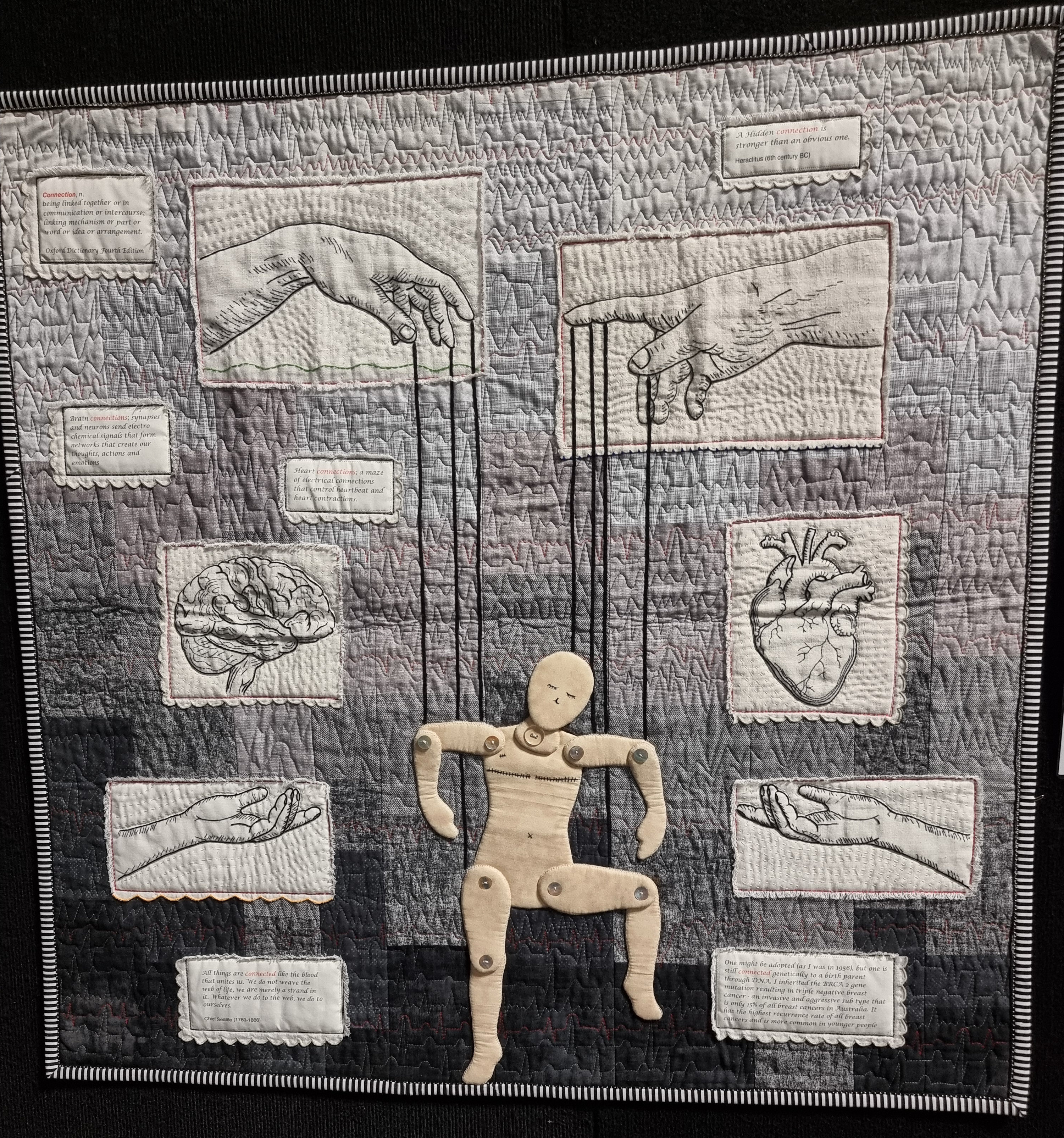
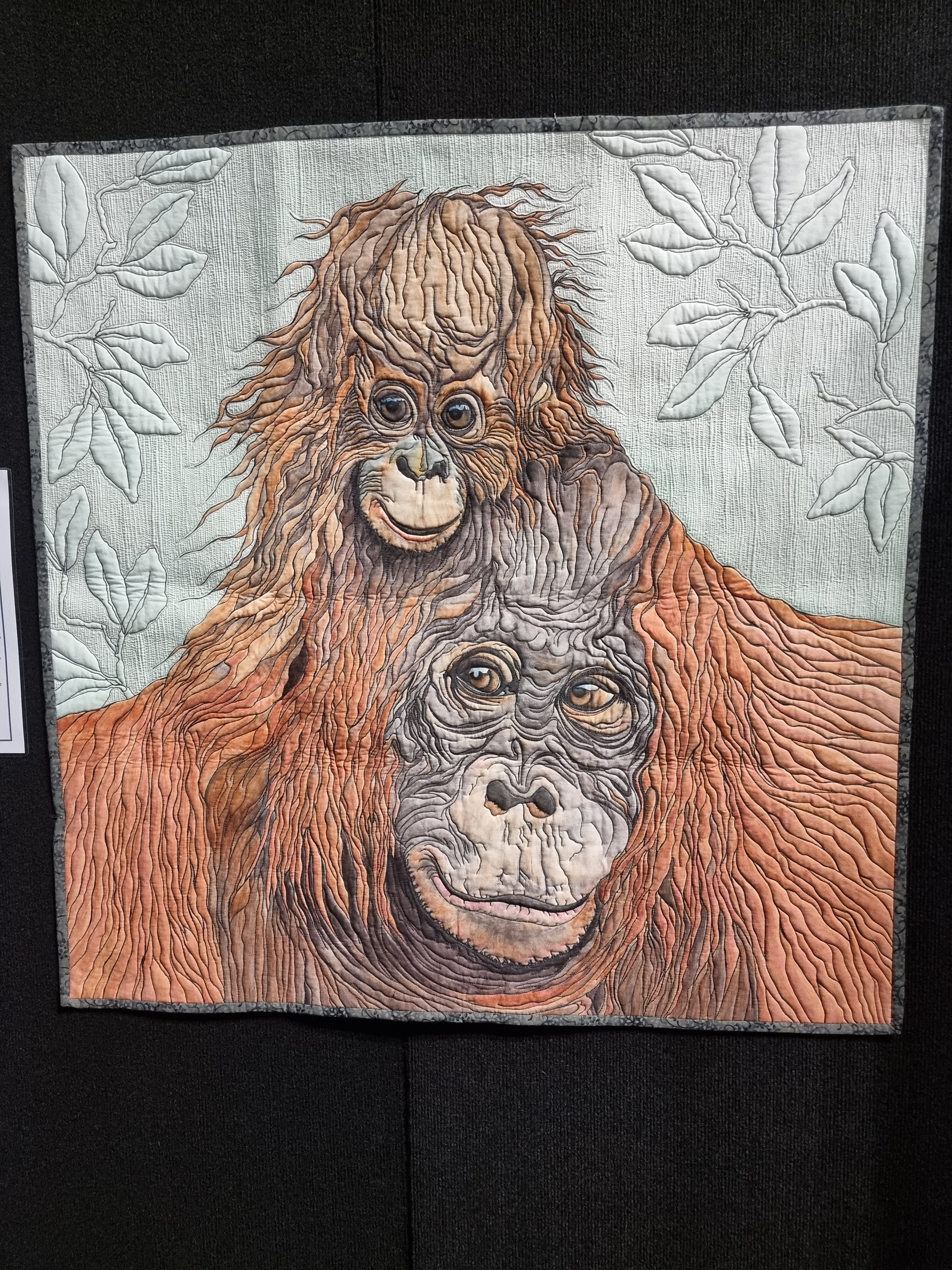
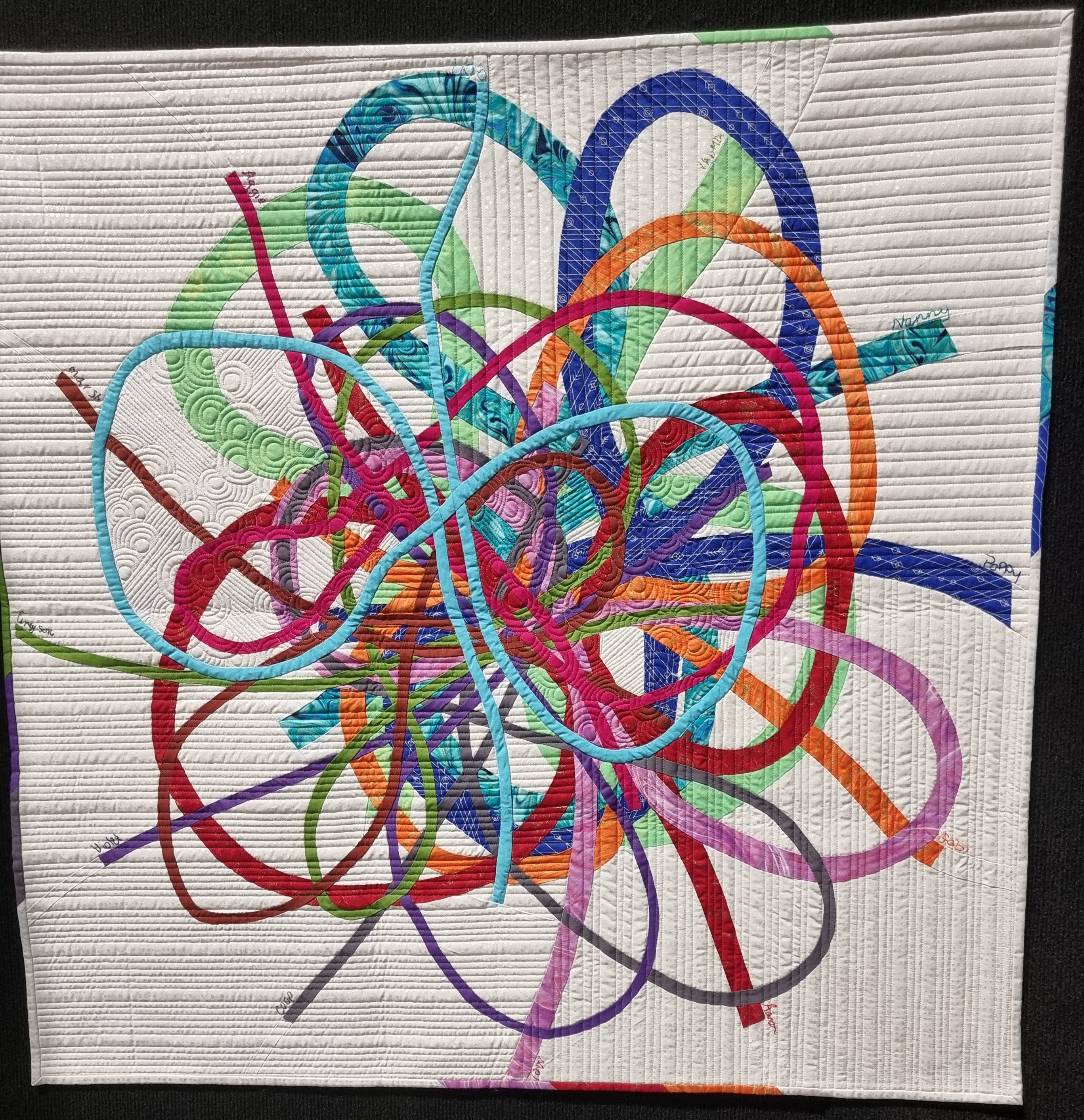
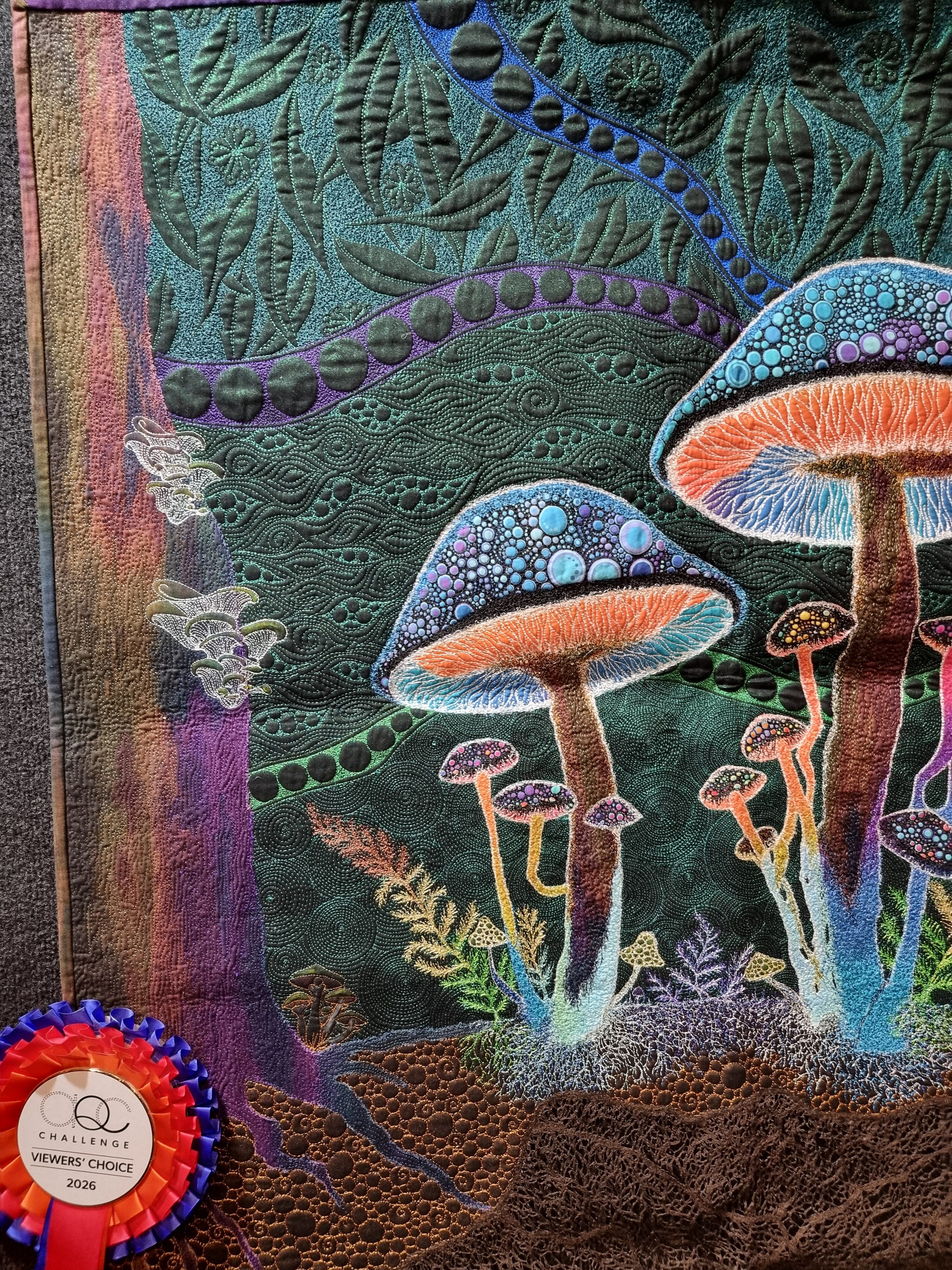
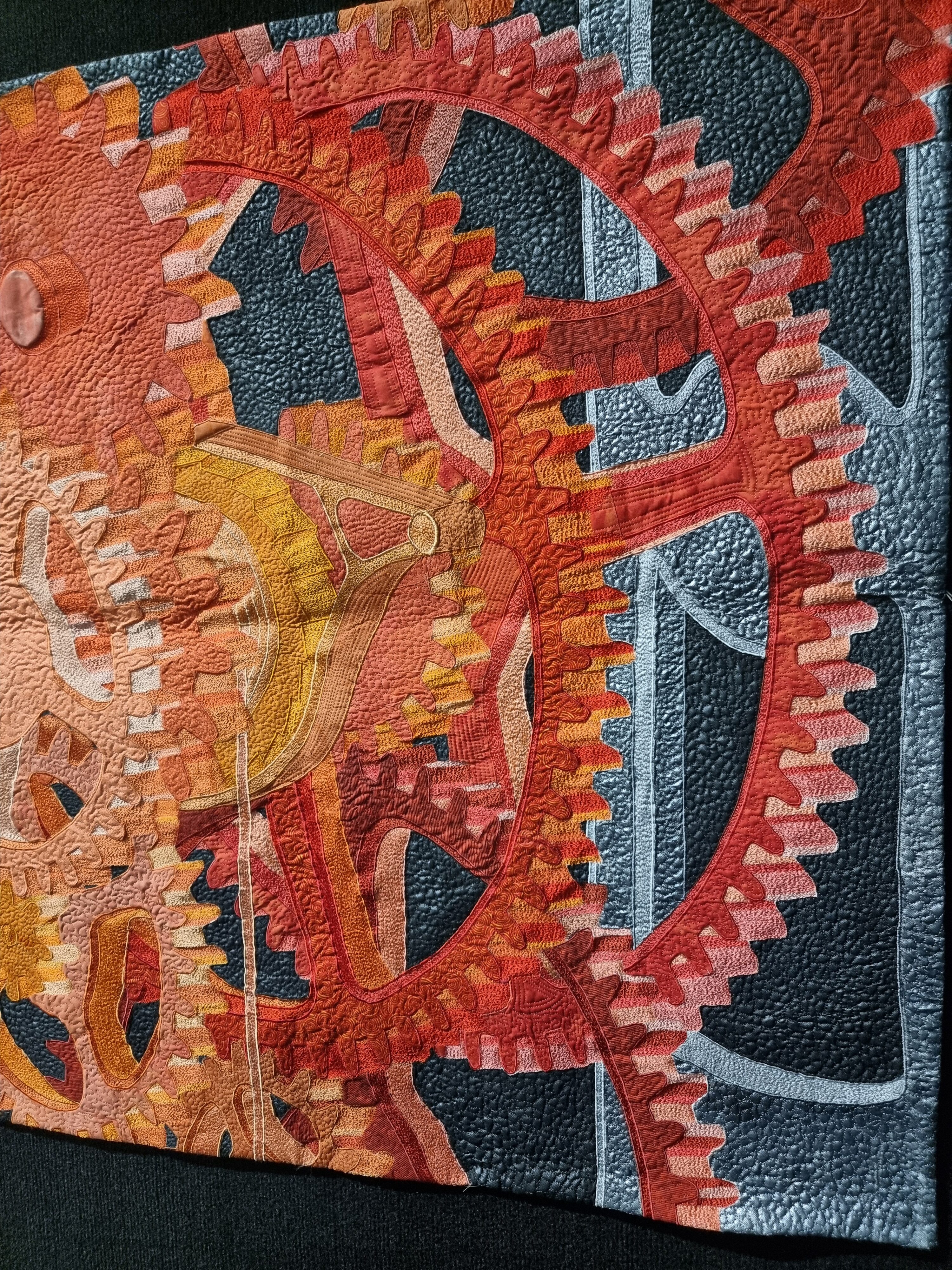
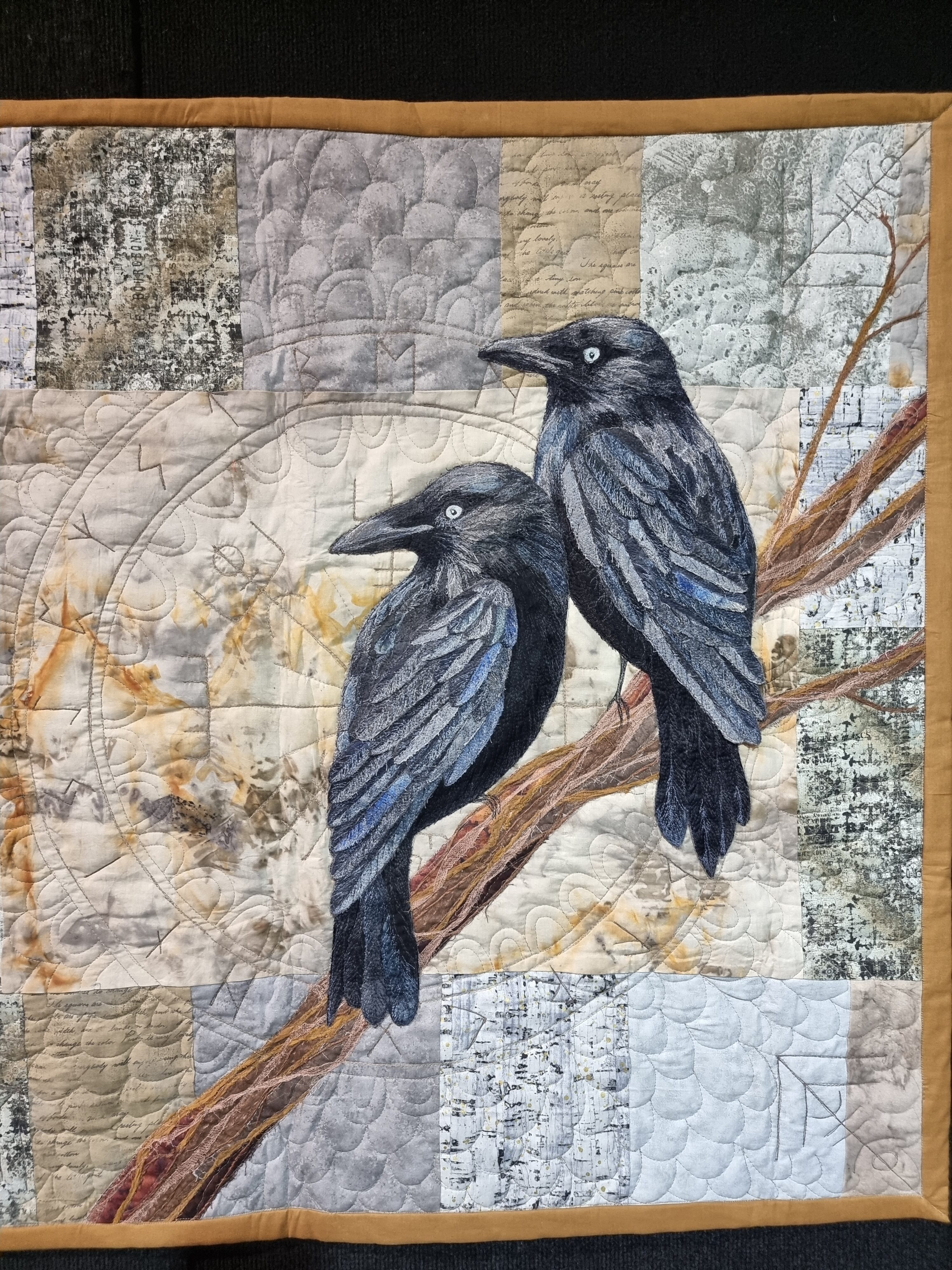
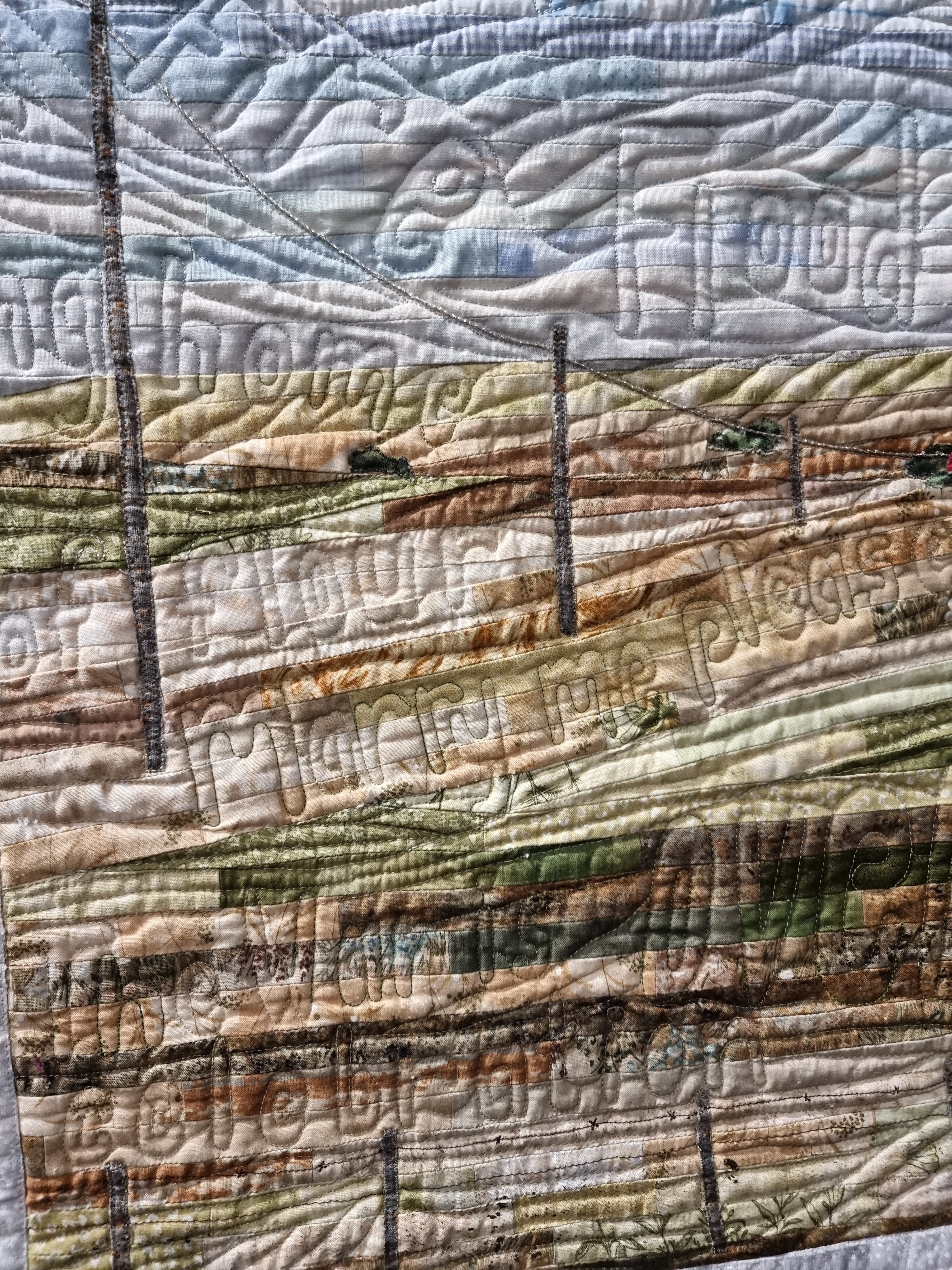
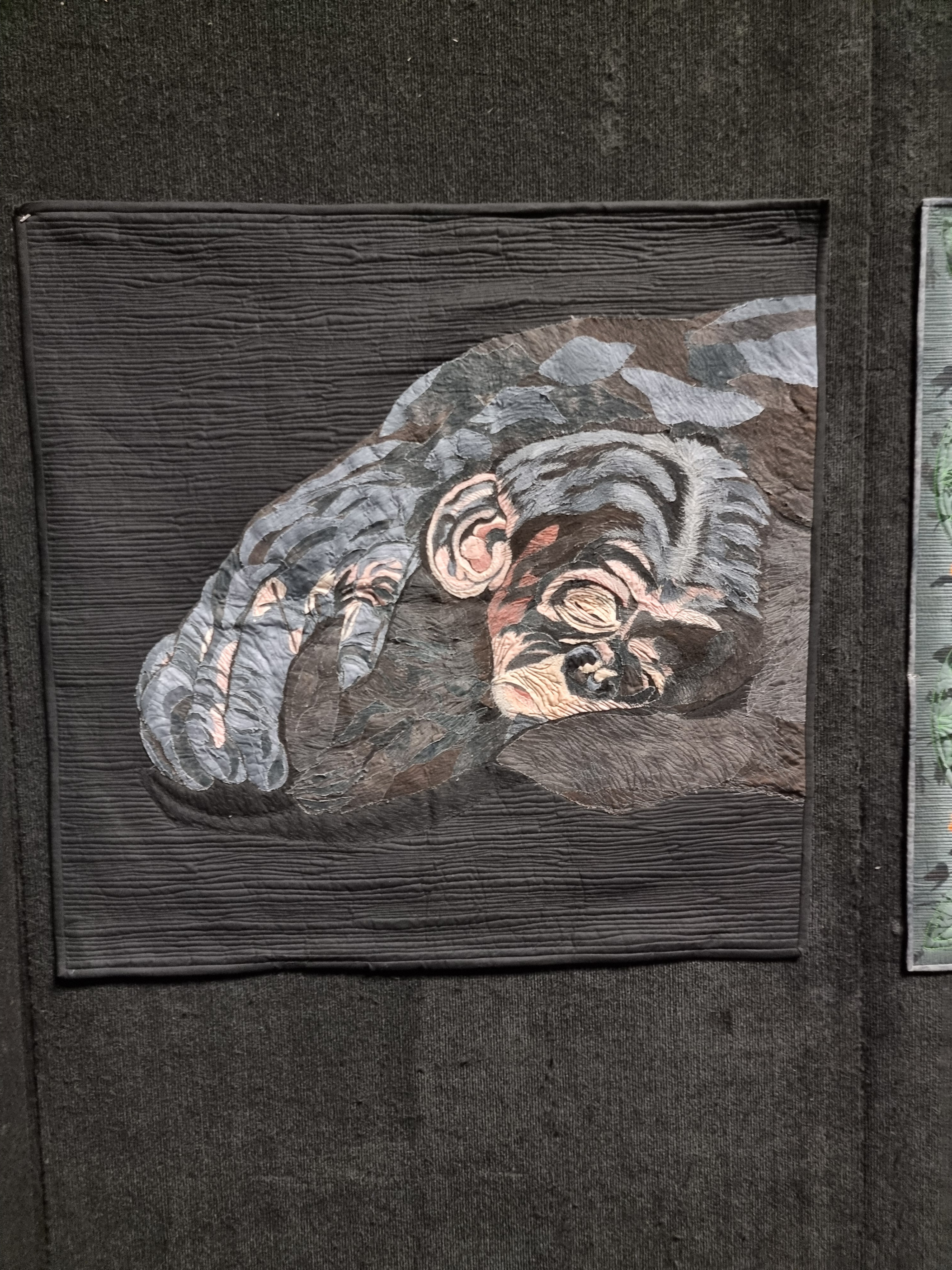
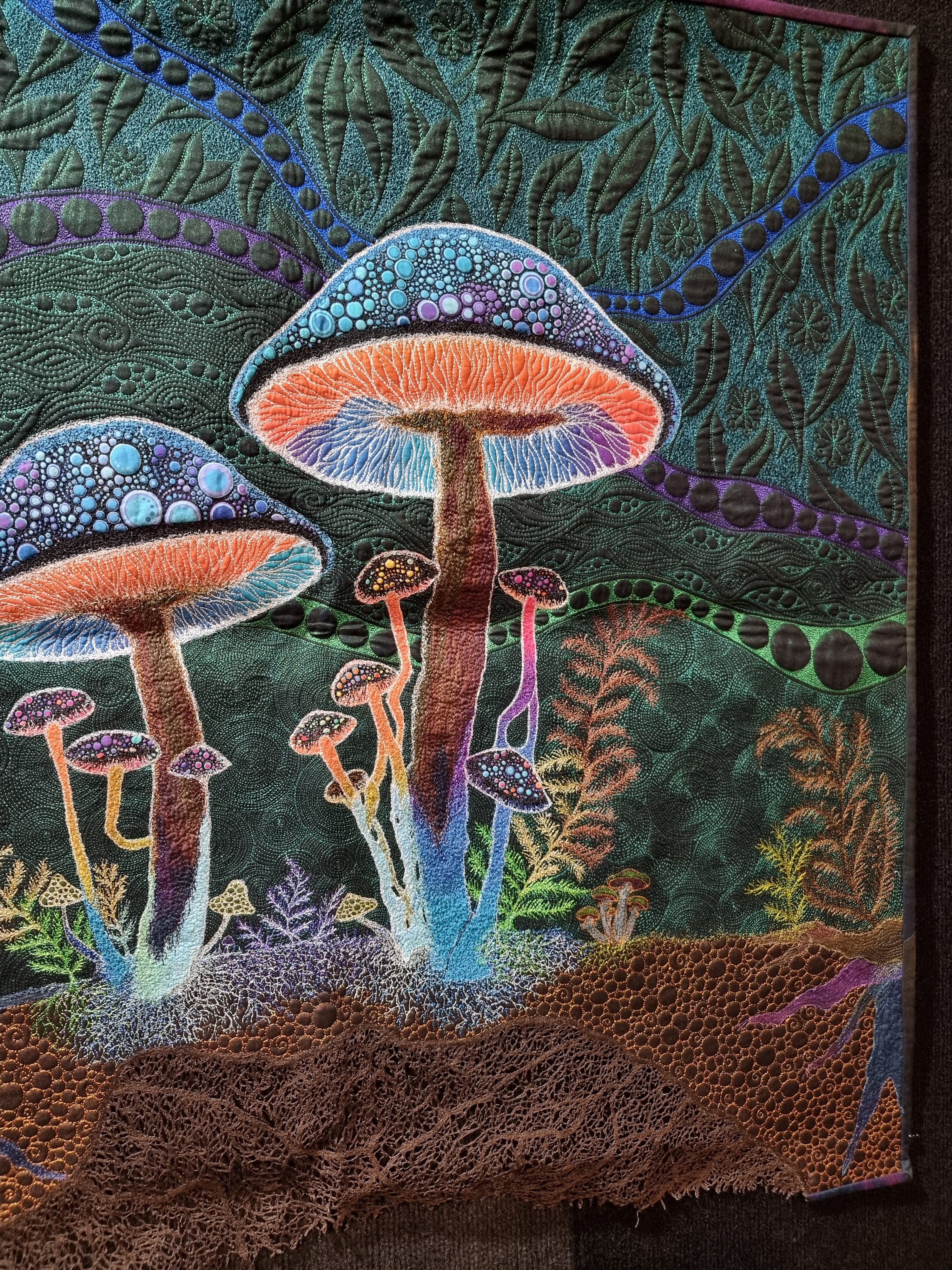
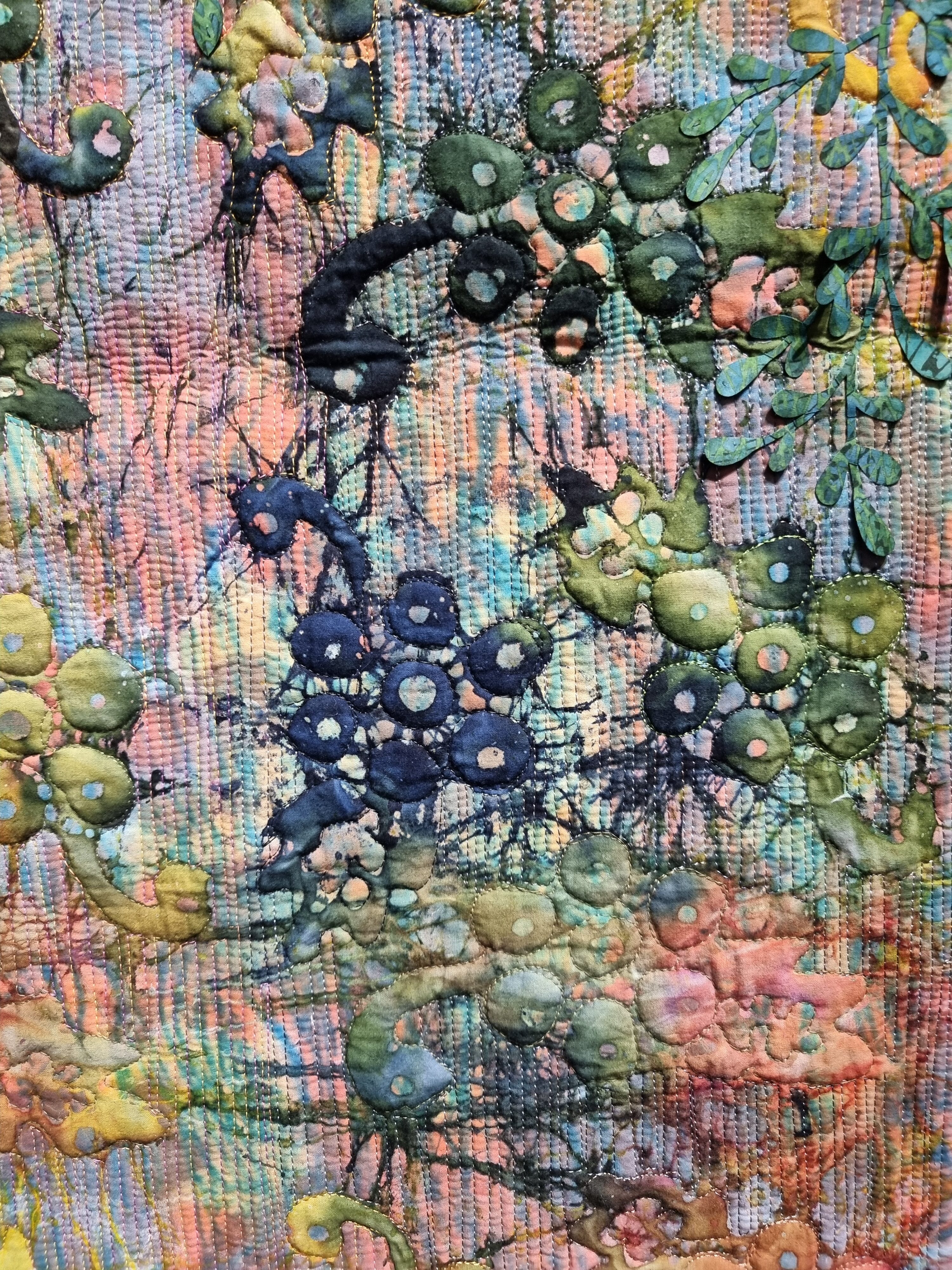
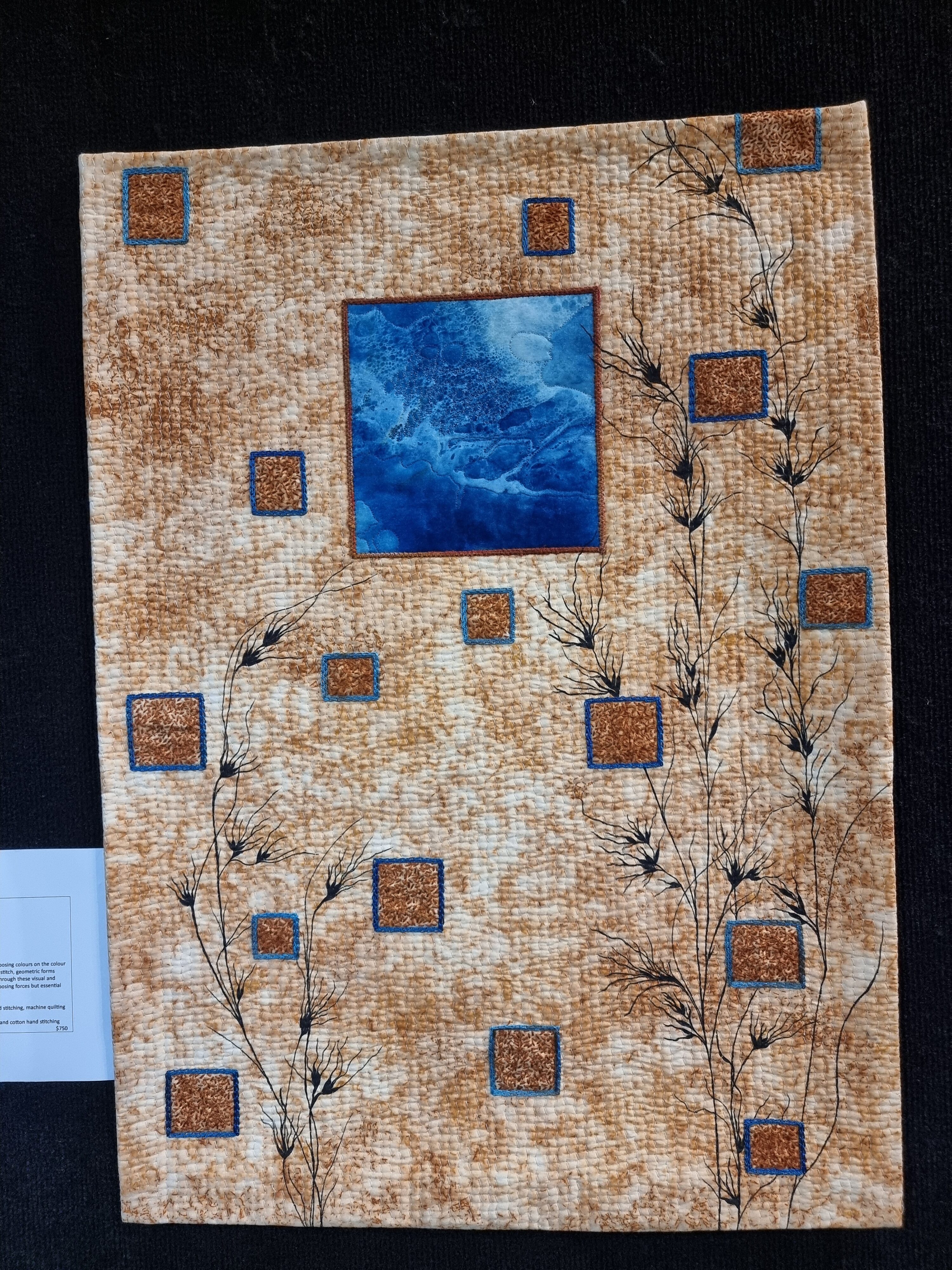
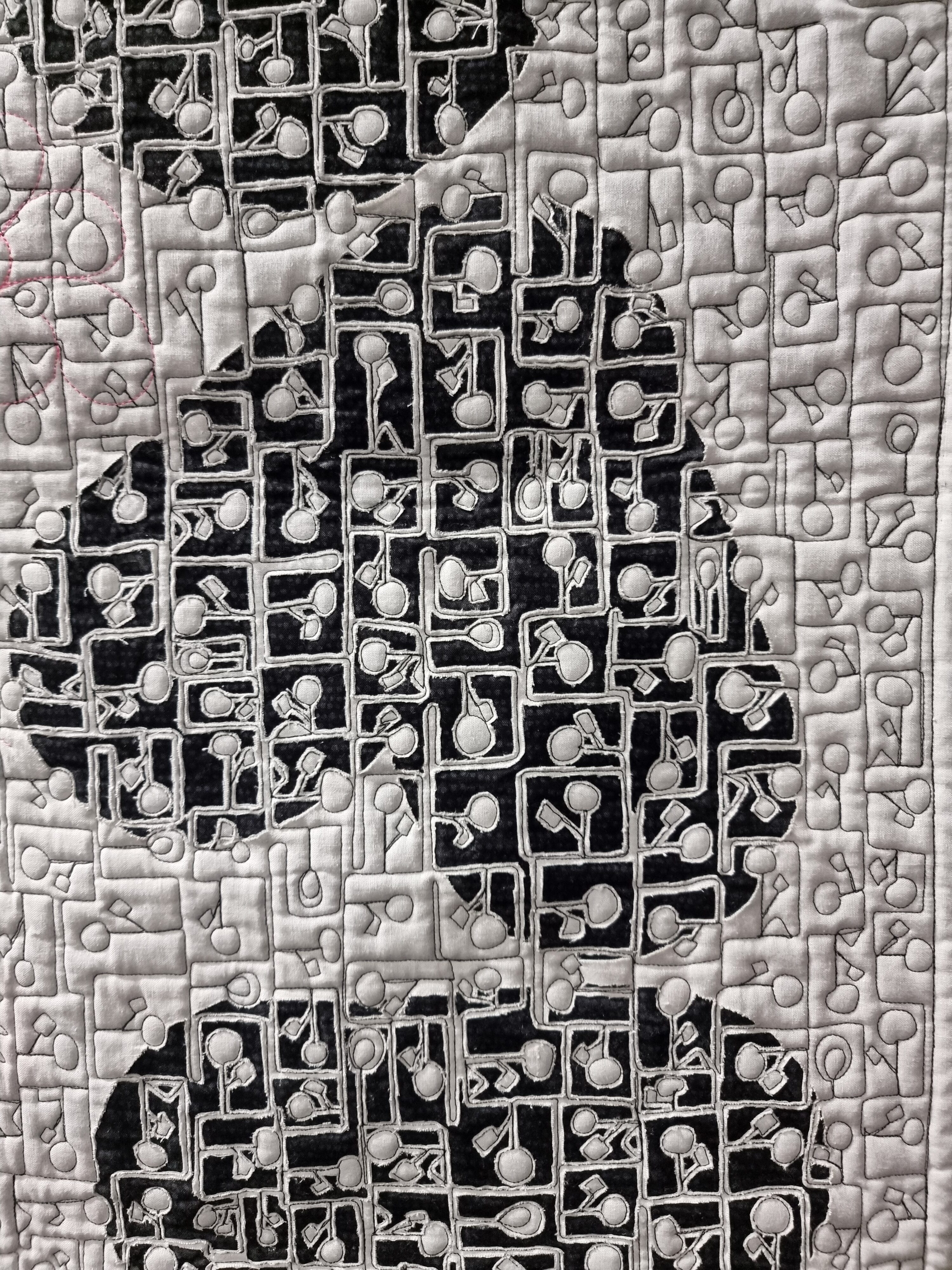
As part of the quilt show, there was an exhibition titled Connections and as this is our theme for next years I made sure to take some photos. It was fascinating to see how other textile artists interpreted the concept, using everything from literal threads to abstract storytelling.
Take a look at the gallery below as these may spark some fresh ideas for your own upcoming projects.
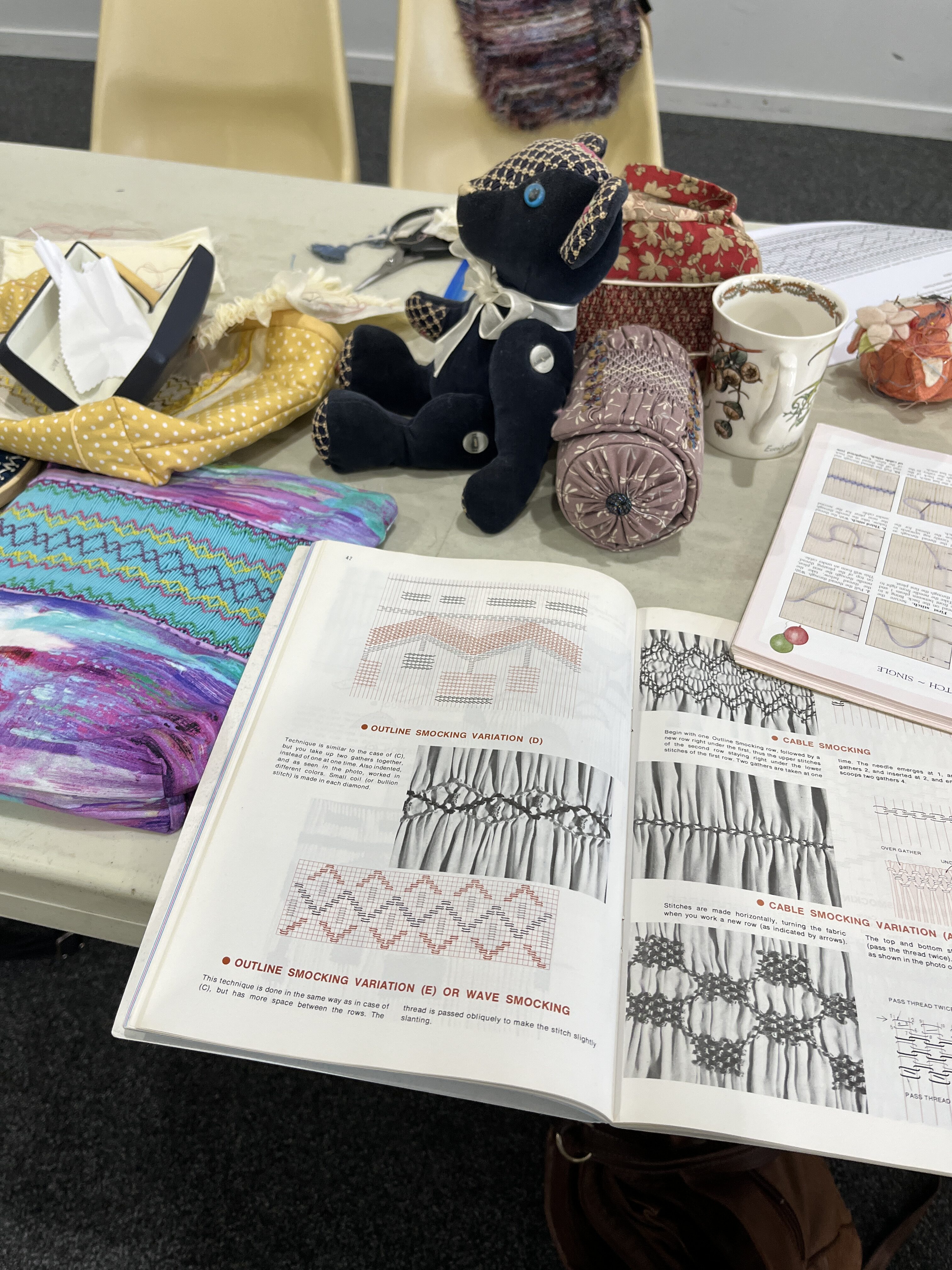
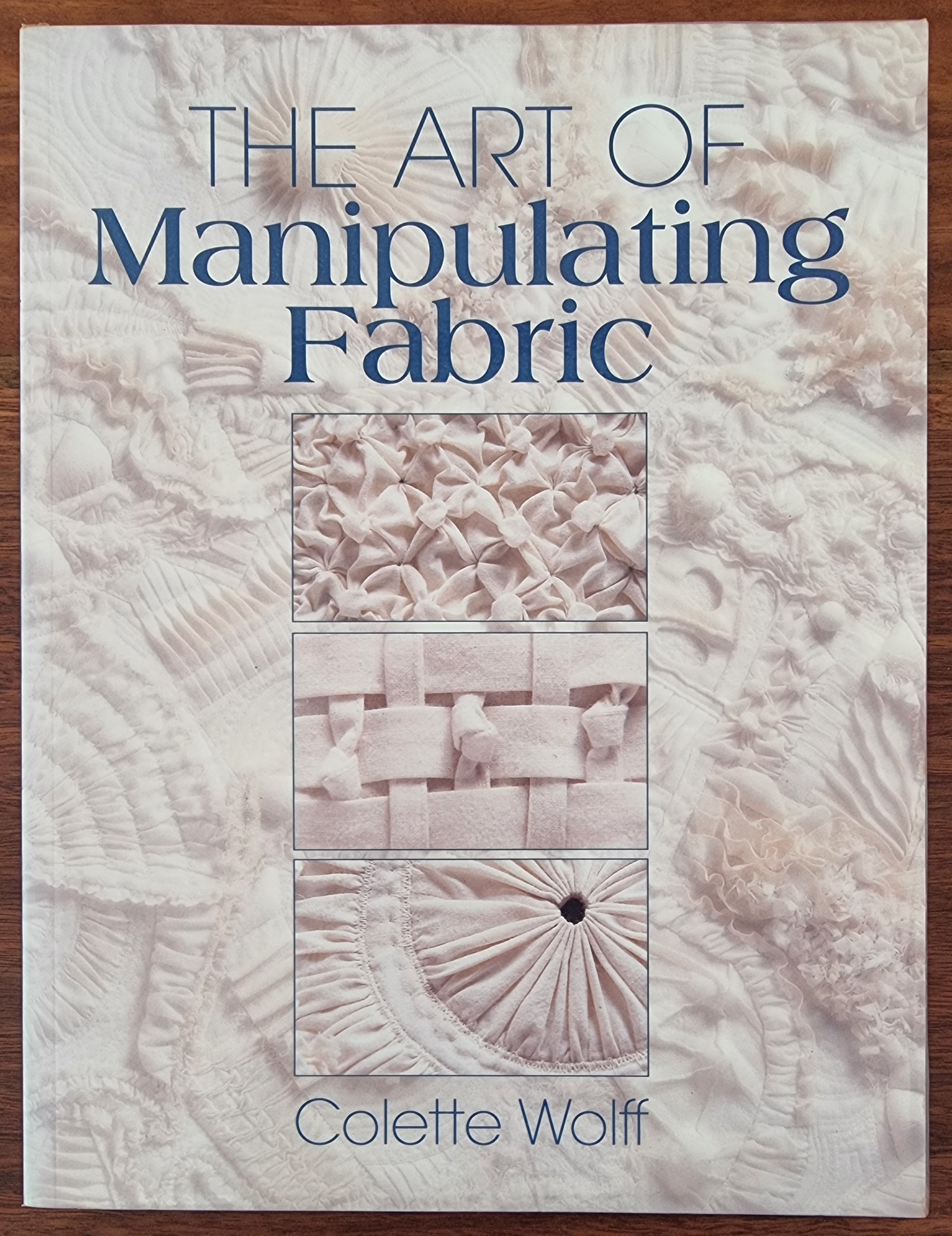
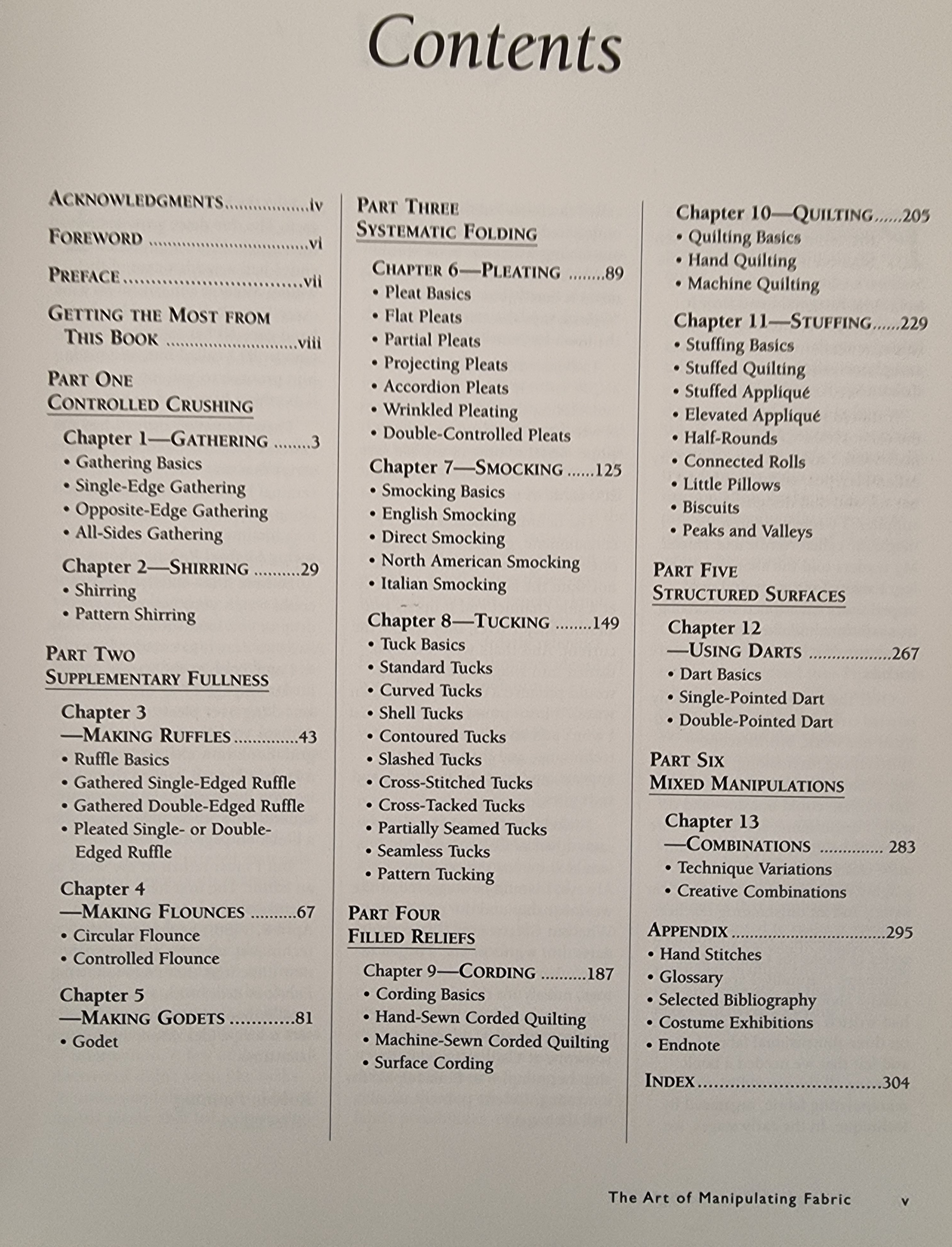
Have you ever looked at a piece of beautifully textured fabric and wondered, “How did they do that?” If so, The Art of Manipulating Fabric by Colette Wolff is a book you’ll find yourself reaching for again and again.
Often described as the “bible” of fabric manipulation, this remarkable reference has inspired textile artists, quilters, costume makers, embroiderers and fashion designers for decades. It isn’t a project book with step-by-step patterns to copy. Instead, it opens the door to hundreds of techniques that transform ordinary fabric into extraordinary works of art.
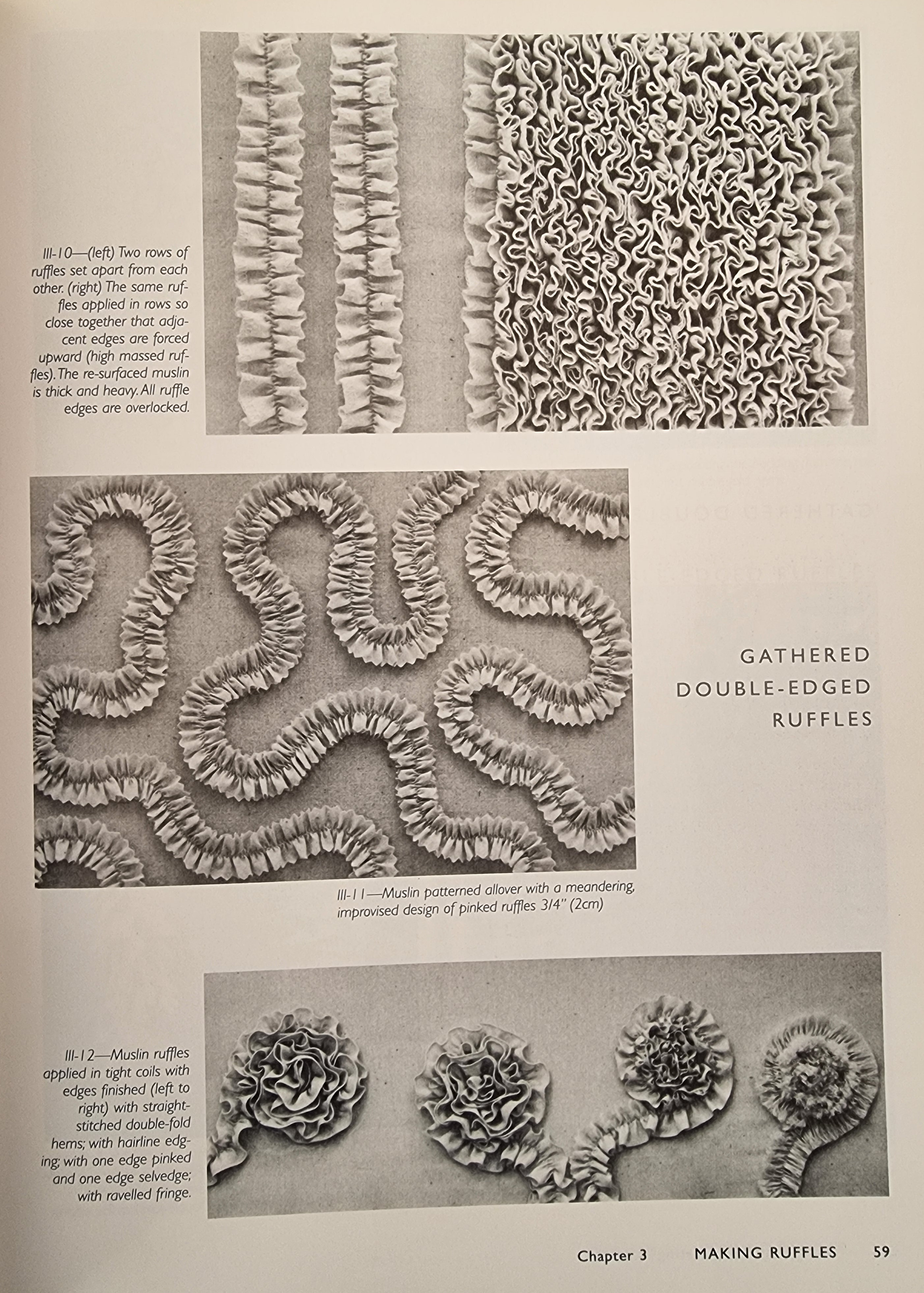
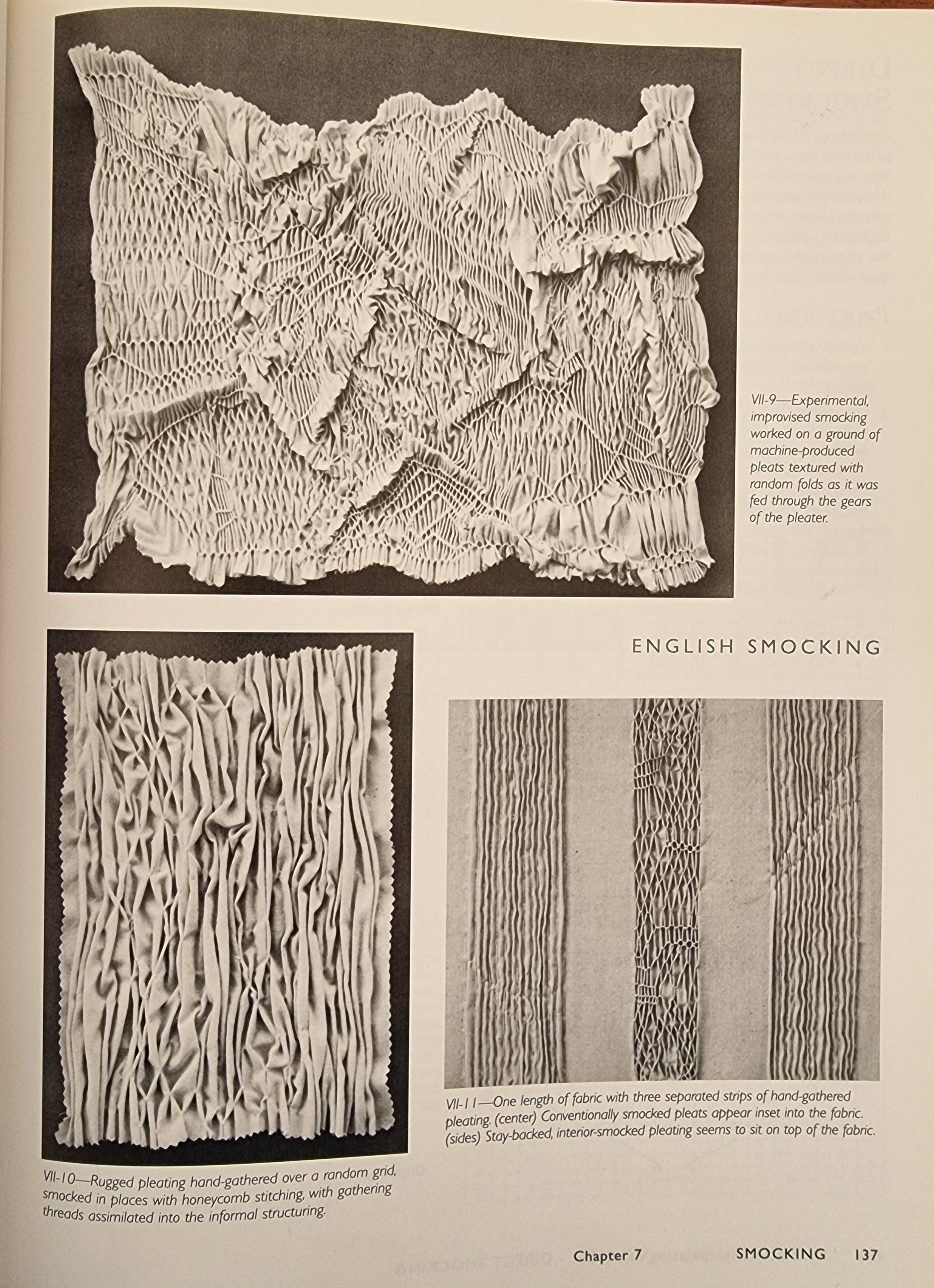
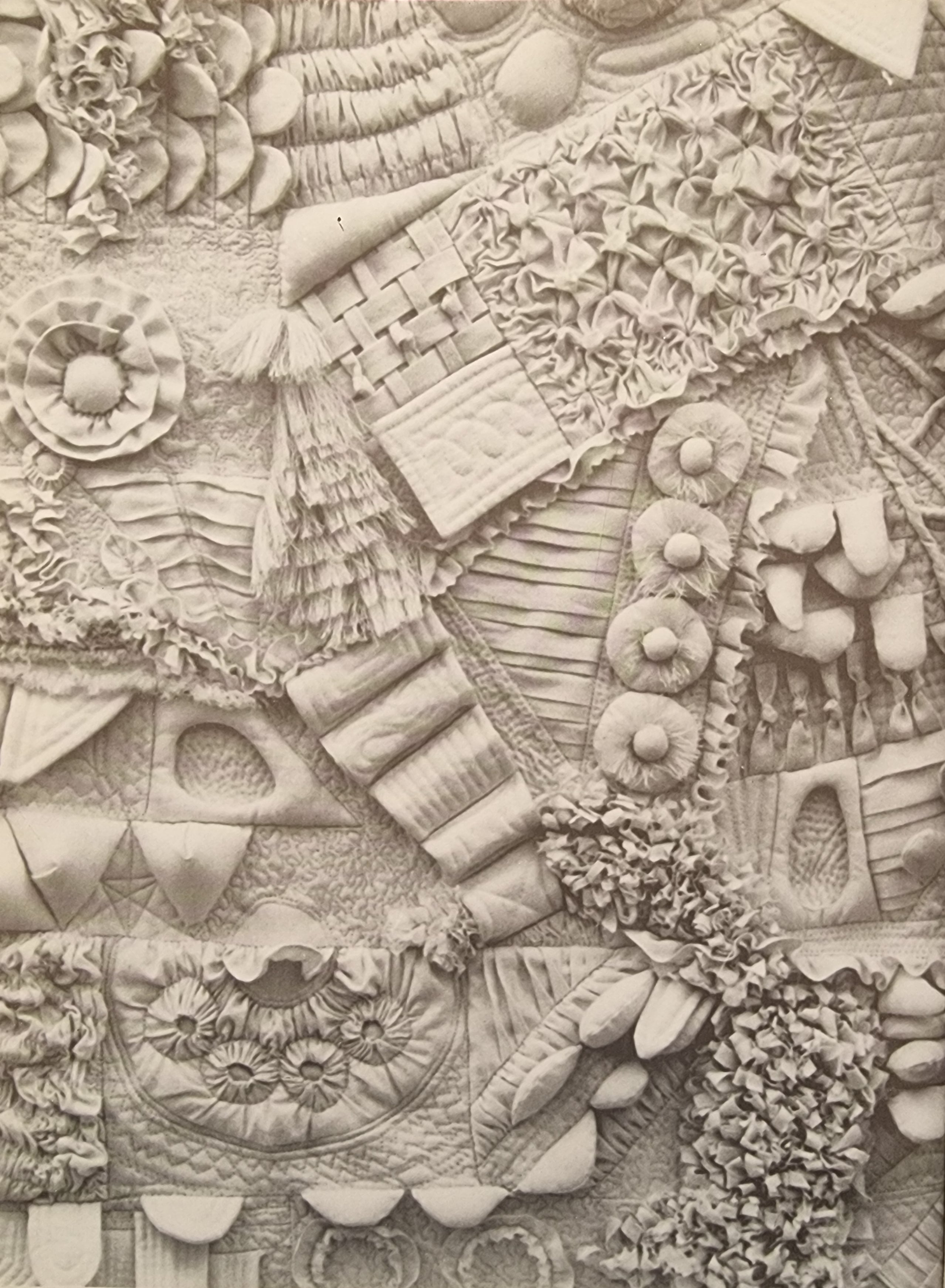
Inside you’ll discover gathering, pleating, tucks, smocking, quilting, folding, weaving, lattice work and many other methods for adding texture, movement and dimension to cloth. With hundreds of clear diagrams and inspiring photographs, Wolff explains each technique in a way that encourages experimentation rather than imitation. Whether you’re trying something completely new or looking for fresh ideas to incorporate into your own work, there’s inspiration on almost every page.
What makes this book so valuable is that it encourages creative exploration. You may begin by trying one simple technique, only to find yourself combining several methods to create something entirely your own. It’s the kind of book that sparks ideas long after you’ve closed the cover.
Many NCEATA members work across a variety of textile disciplines—from quilting and embroidery to wearable art, mixed media and surface design. Whatever your preferred medium, you’ll almost certainly discover techniques that can be adapted to your own creative practice. Even if you’ve been stitching for years, you’re likely to find new approaches that challenge the way you think about fabric.
This isn’t a book you’ll read once and put away. It’s a studio companion—one you’ll keep nearby whenever you’re planning a new piece or searching for that extra element of texture or visual interest.
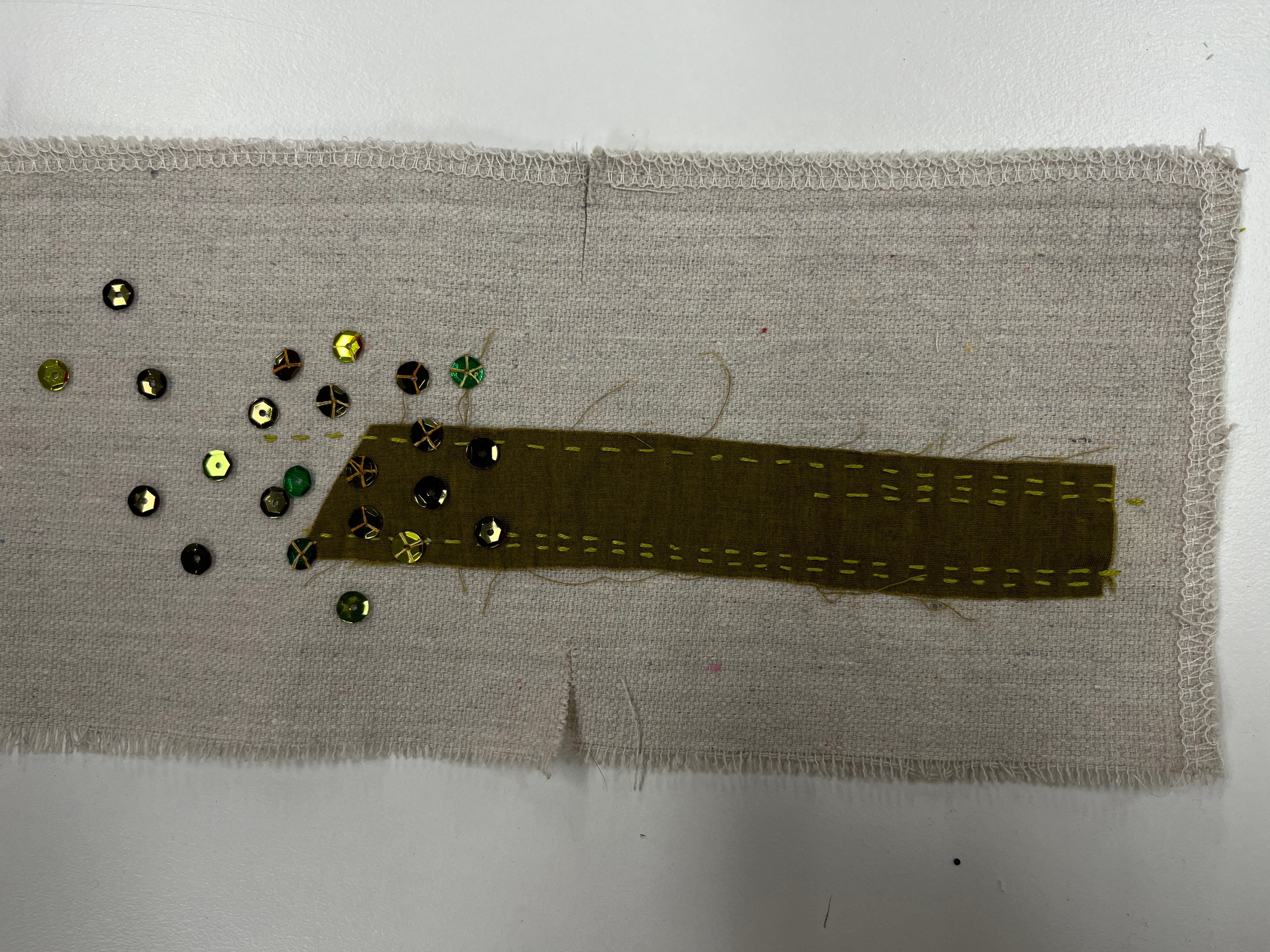
If you enjoy learning new techniques and pushing the boundaries of what fabric can do, The Art of Manipulating Fabric is available to borrow from our library but it may be one of those books that deserves a place on your own bookshelf. I know it is one of my go to’s when I am looking for inspiration and having picked it up again to do this review, was happy to rediscover the smocking section to help finish the piece started at our recent smocking workshop.
4 Responses
Thanks for such a great summary of the Stitches and Craft Show.
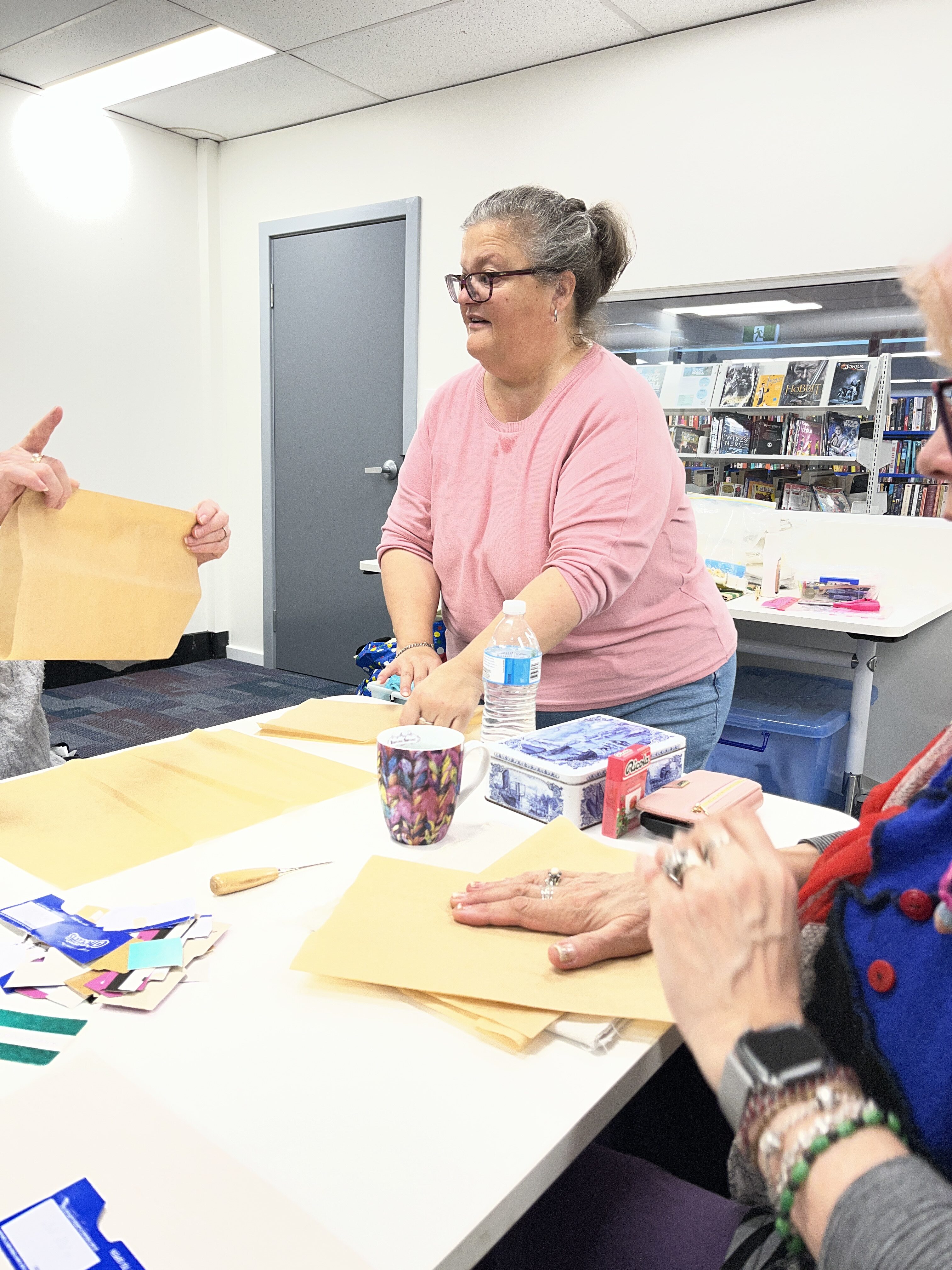
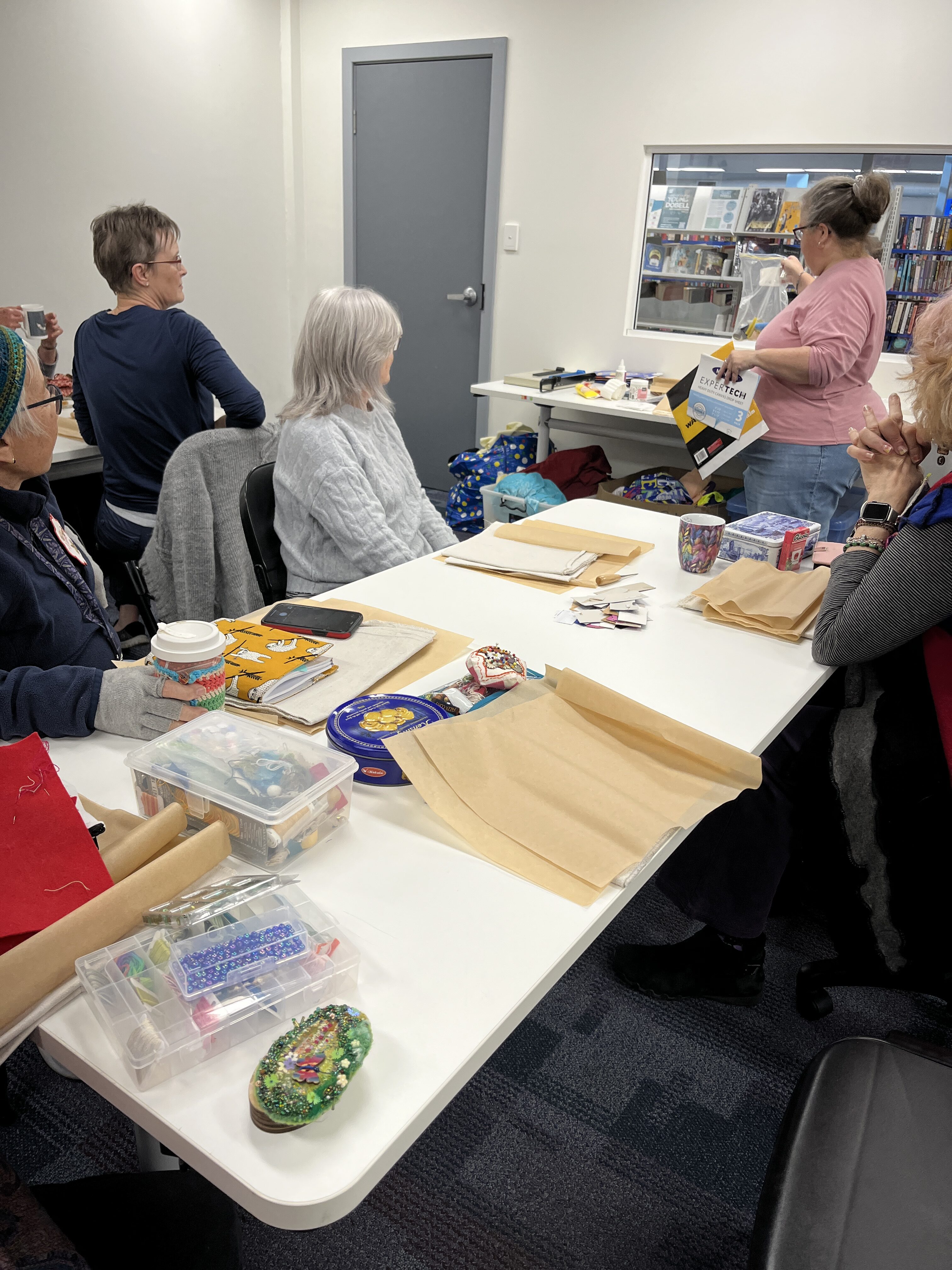
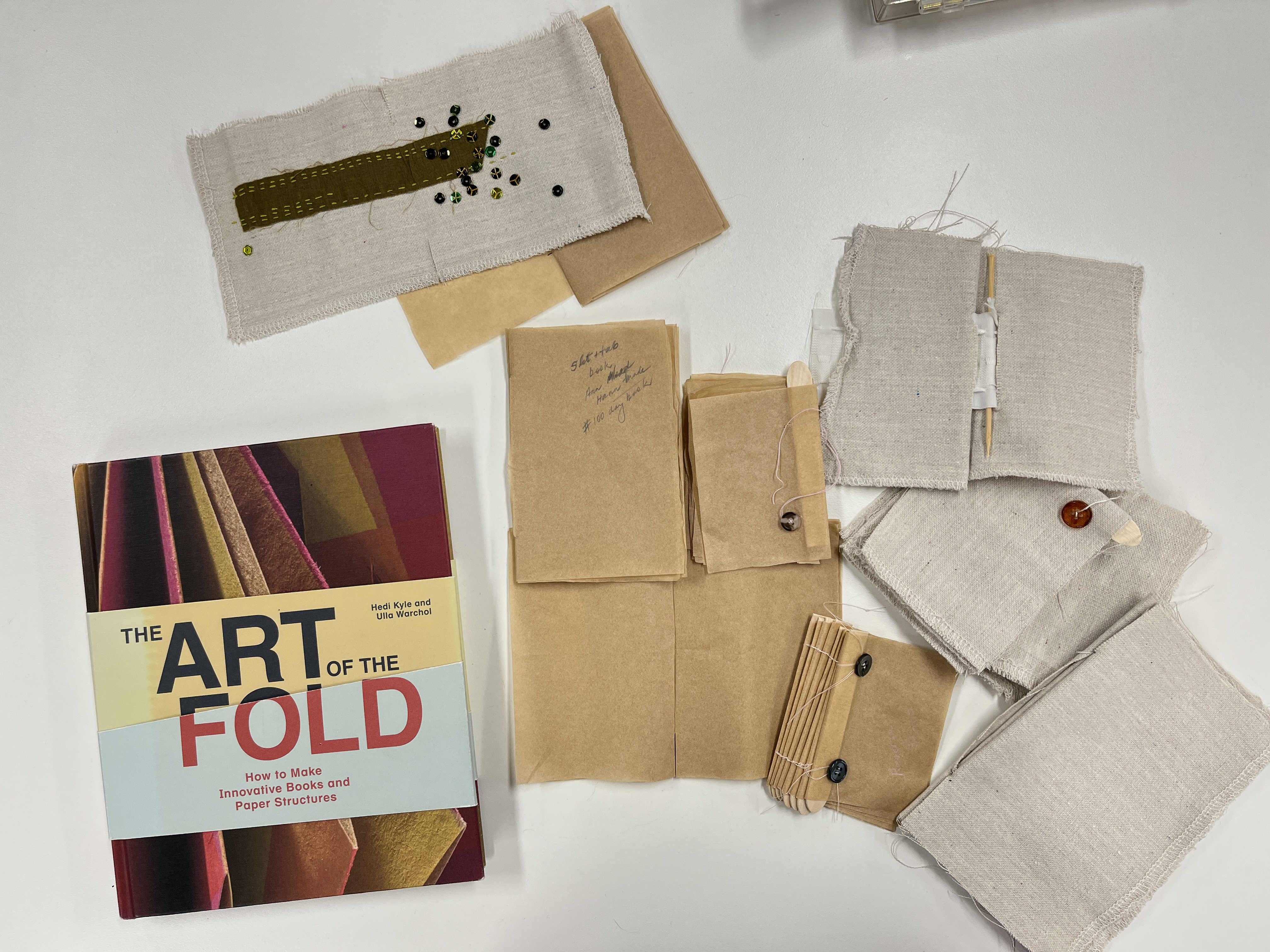
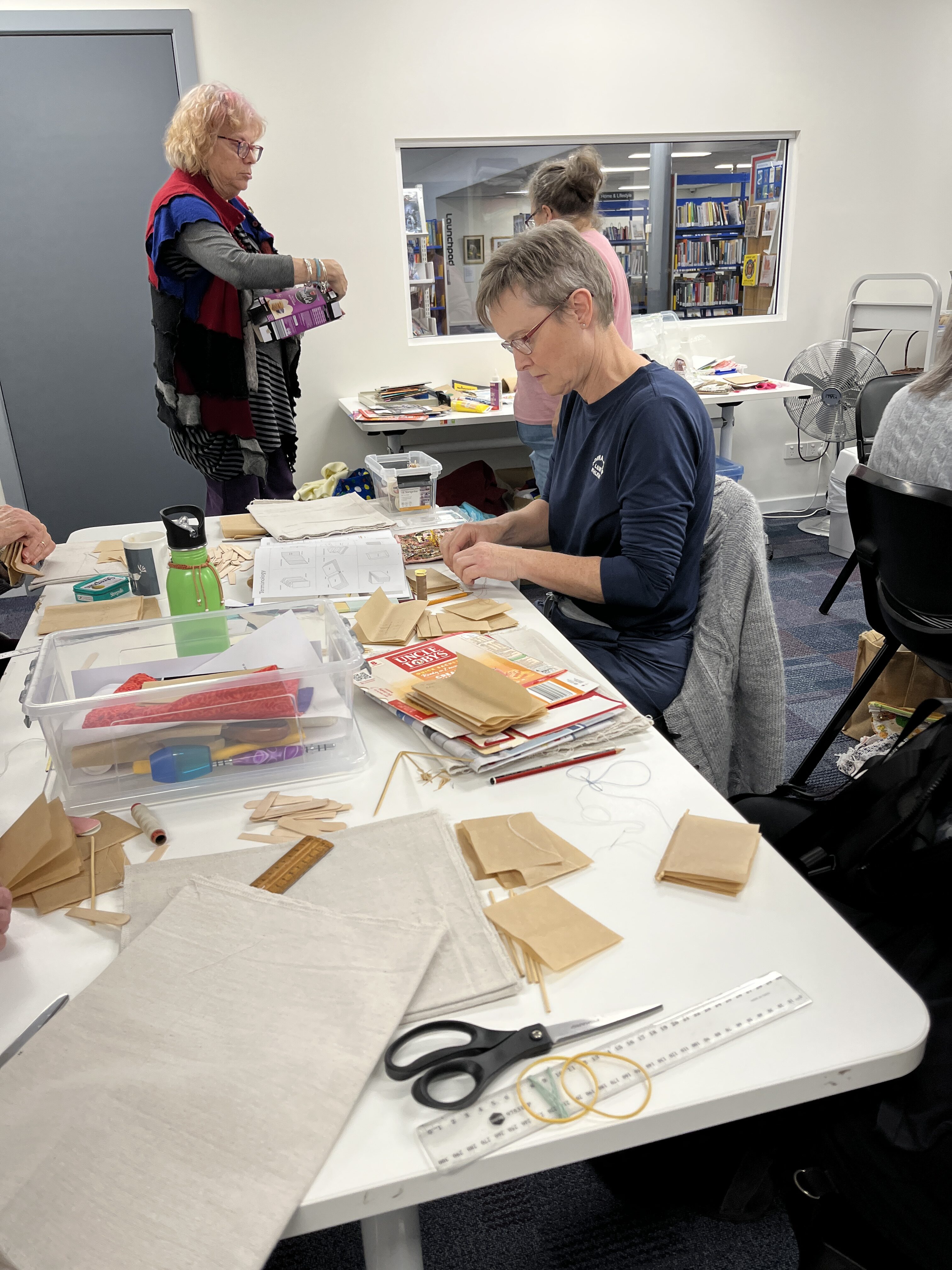
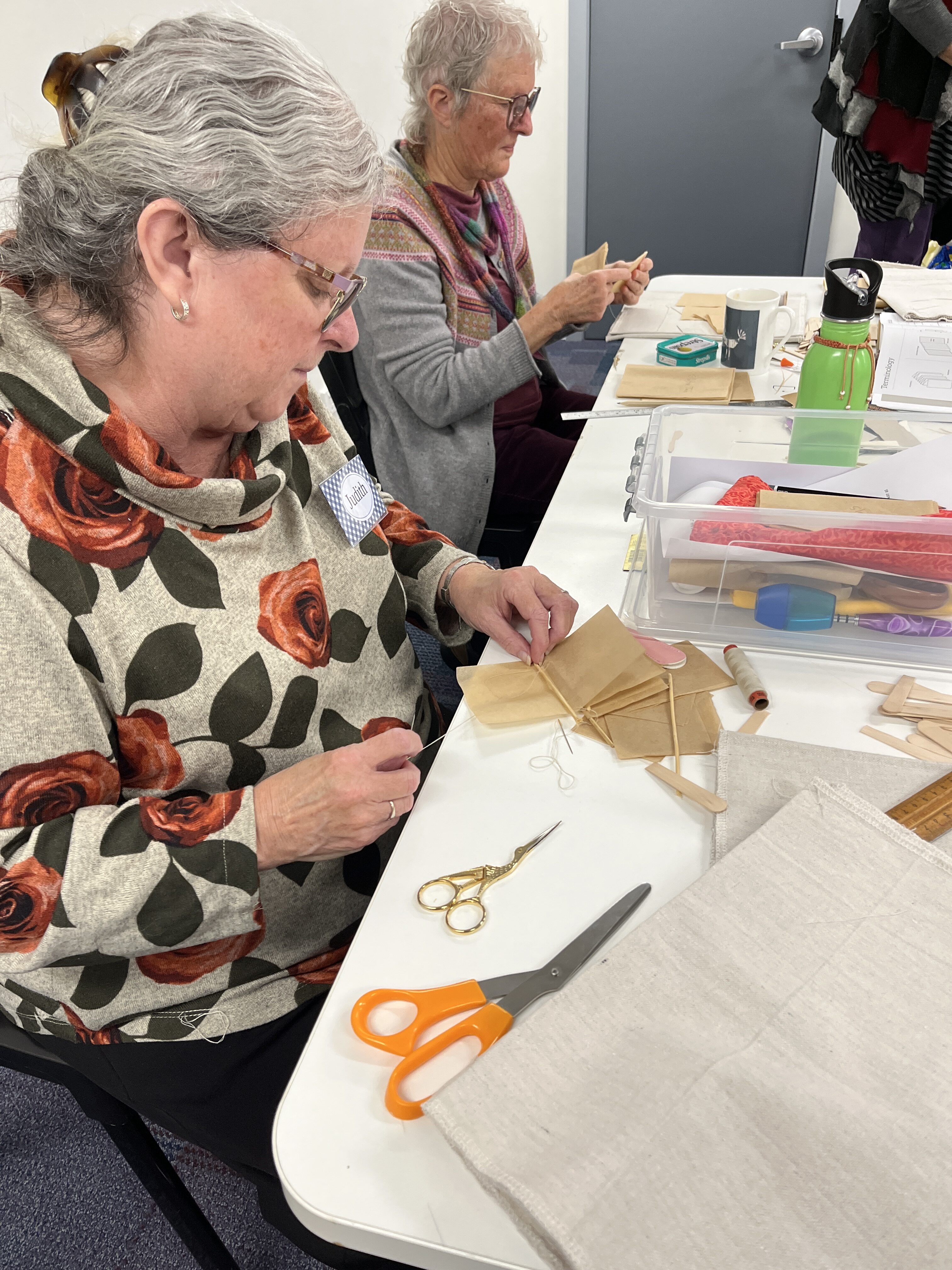
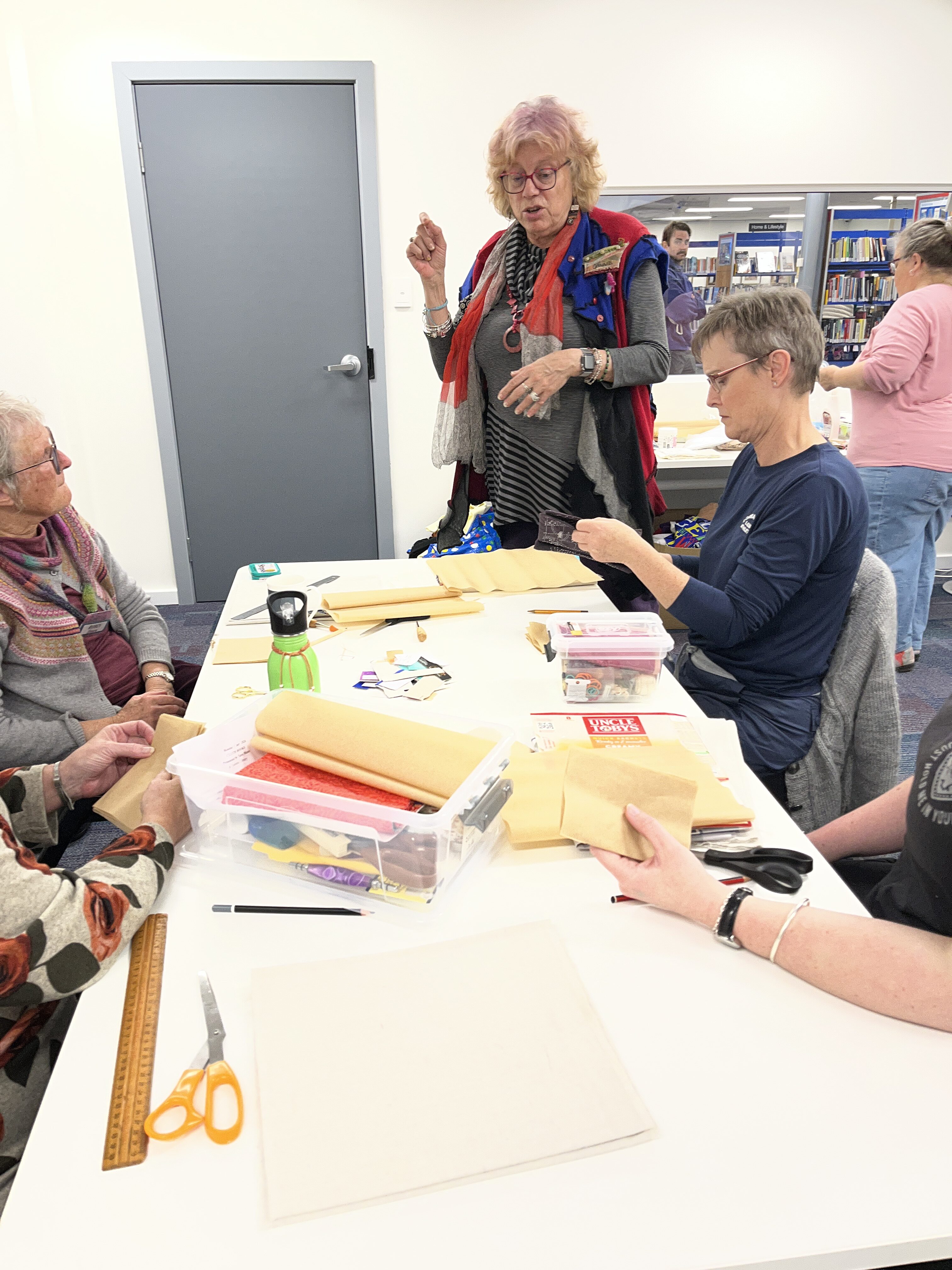
I attended both the Fabric Books Monday workshop and the extended Blackwork workshop. I enjoyed the learning, the sharing and the company of both workshops. I really liked the technique of the reverse piano fold book binding technique, taught by Tara . It was lovely to spend a day with such an experienced embroiderer as Doris supported by Rhonda – they were both very generous with their knowledge, time and materials , and all delivered with a wonderful sense of humour. Congratulations NCEATA on your continued opportunities to learn , create and connect .
Thank you for your comment Wilma.
As you can see we are all fixed and I look forward to hearing ftom our lovely NCEATA members
Thank you so much for your blog. I haven’t been able to get to many meetings or shows but I love reading about what went on. The photos are fabulous.
Thanks for visiting, Im glad the blog is keeping you up to date with all the wonderful things happening at NCEATA – hope to see you at a meeting soon.